

An Introduction to Fleet Tracking
Fleet tracking is an essential tool for businesses that manage multiple vehicles, whether for deliveries, service calls or transportation. By using GPS technology and integrated software, fleet tracking provides real-time insights into vehicle locations, driver behaviour and operational performance.
This guide covers the most frequently asked questions about fleet tracking and fleet management, helping you understand the technology, its benefits and how it can improve efficiency, safety and cost control.
Whether you operate a small fleet or a large-scale operation, you will find clear answers and practical advice throughout this resource. Each section links to an in-depth page where we explore the topic in more detail, giving you the knowledge to make informed decisions and maximise the value of your fleet tracking system.
What is fleet management?
Fleet management is the process of organising, monitoring and optimising a company’s vehicle operations. It covers a range of responsibilities including vehicle acquisition, maintenance scheduling, fuel management, route planning, driver supervision and compliance with industry regulations.
Modern fleet management often uses GPS tracking and telematics to gather real-time data on vehicle performance and location. This information enables businesses to improve efficiency, reduce operating costs and enhance driver safety.
Good fleet management also focuses on preventative maintenance to minimise downtime while ensuring vehicles meet legal and environmental standards. By combining technology with best practice policies, businesses can streamline operations and achieve better return on investment.
Learn more on our dedicated page: Fleet Management Explained

How does GPS fleet tracking work?
GPS fleet tracking works by using satellite-based positioning systems to determine the exact location of each vehicle in a fleet.
A GPS tracking device is installed in the vehicle which communicates with satellites to calculate its position. This data is then sent to a central fleet management platform, usually via a mobile or satellite network.
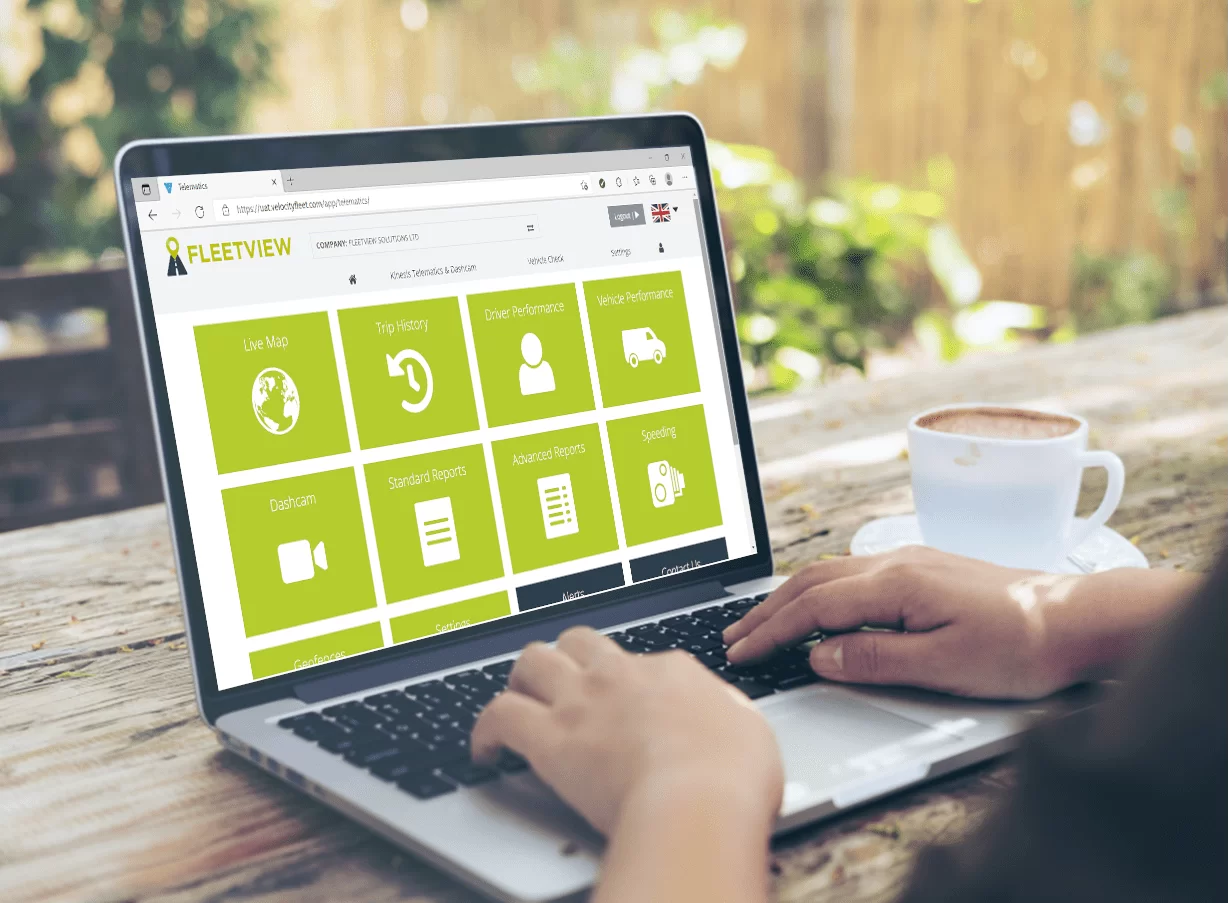
The platform displays vehicle locations in real time on a digital map along with additional information such as speed, direction and driver behaviour. Fleet managers can use this data to plan routes, monitor performance and respond quickly to delays or emergencies.
The combination of accurate positioning and live data feeds makes GPS tracking a valuable tool for improving operational efficiency and safety.
Learn more on our dedicated page: How GPS Fleet Tracking Works

What are the benefits of GPS fleet tracking?
Fleet managers increasingly turn to GPS tracking to enhance operations, safety and profitability. Real-time vehicle visibility enables route optimisation, reducing fuel usage and enabling quicker turnaround which directly boosts efficiency and cost savings.
Monitoring driver behaviour such as speeding, harsh braking and idling supports safer habits, decreasing accident rates and potentially reducing insurance premiums.
Predictive maintenance, informed by vehicle diagnostics, cuts repair costs and downtime, extending asset lifespan.
Administrative efficiency improves with automated mileage, logbook and compliance reporting, reducing manual errors and freeing up capacity.
Aggregated data further enhances strategic planning and resource allocation. Together, these benefits make GPS tracking a powerful tool for businesses aiming to streamline operations and improve return on investment.
Learn more on our dedicated page: Benefits of GPS Fleet Tracking

How much does fleet tracking cost?
Fleet tracking costs vary depending on the provider, system features and number of vehicles. Typically, businesses pay an upfront fee for the tracking hardware plus an ongoing subscription for software access and data services.
More advanced systems with additional features such as dashcams, driver identification or predictive analytics may cost more. However, many companies find that the investment is offset by fuel savings, improved productivity, reduced maintenance expenses and lower insurance premiums.
When evaluating costs it is important to consider total return on investment, including efficiency gains and long-term operational benefits.
Learn more on our dedicated page: Fleet Tracking Costs Explained

What features should a good fleet tracking system include?
A high-quality fleet tracking system should offer a combination of real-time GPS tracking, driver behaviour monitoring and comprehensive reporting.
Key features include route optimisation tools, geofencing alerts and integration with maintenance schedules. The system should provide easy-to-use dashboards for quick decision-making along with mobile access for managers on the move.
Compliance tools for driver hours, vehicle checks and safety standards are also valuable.
Additional capabilities like temperature monitoring for refrigerated transport, two-way driver communication and integration with fuel cards can add further efficiency.
When choosing a system, prioritise scalability and the ability to tailor features to your specific operational needs.
Learn more on our dedicated page: Fleet Tracking Features

Do small fleets benefit from tracking?
Yes, small fleets can benefit significantly from tracking systems and often see a faster return on investment than larger fleets. Real-time visibility helps small businesses optimise routes, reduce fuel usage and improve punctuality.
Driver monitoring can enhance customer service by providing accurate arrival times and reducing delays. Fleet tracking also simplifies compliance with legal requirements such as vehicle safety checks and driving hours.
For small operations where each vehicle plays a critical role, preventing breakdowns through proactive maintenance can avoid costly downtime.
Affordable tracking packages now make it possible for businesses with even a handful of vehicles to access professional-level tools.
Learn more on our dedicated page: Fleet Tracking for Small Businesses
How does fleet tracking reduce operational costs?
Fleet tracking reduces costs by increasing efficiency across multiple areas of operation.
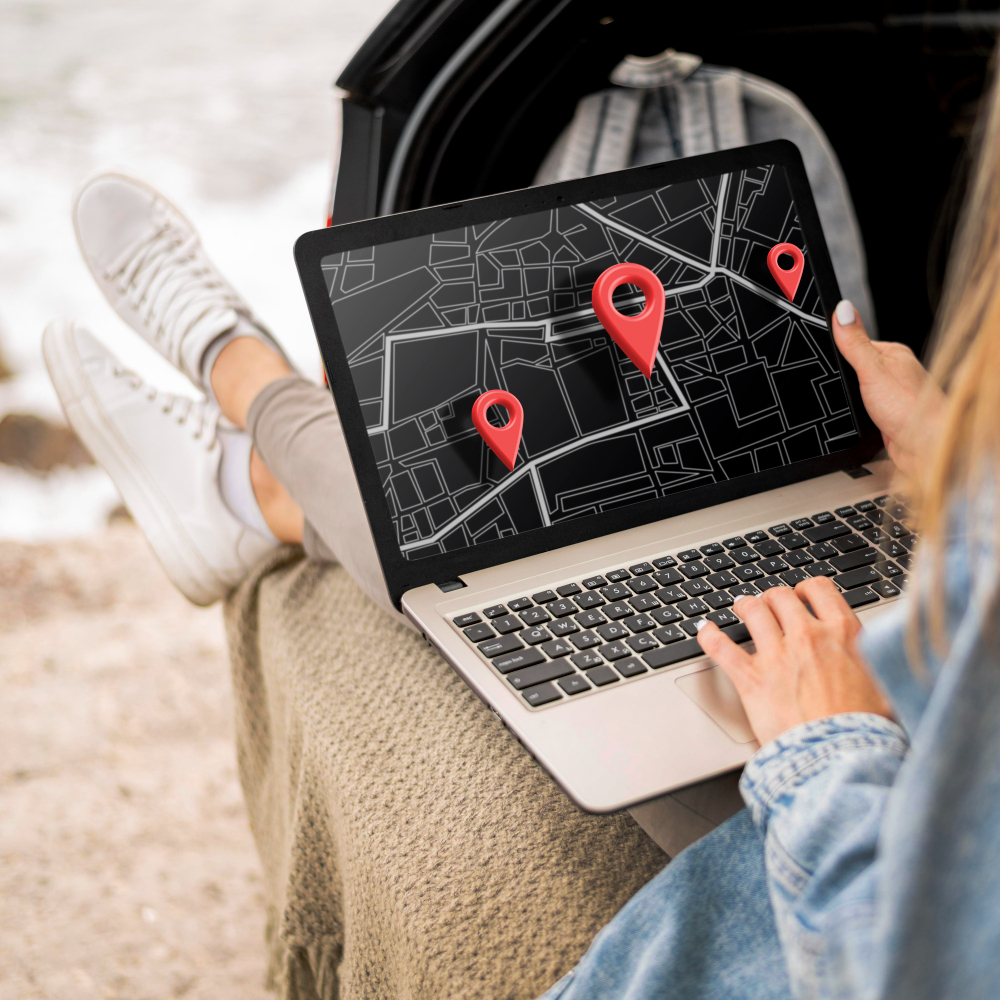
By using real-time location data, businesses can optimise routes to minimise fuel consumption and cut travel times. Monitoring driver behaviour helps reduce speeding, idling and harsh driving, all of which contribute to higher fuel and maintenance costs.
Automated maintenance reminders prevent expensive repairs and downtime, while improved scheduling means vehicles spend more time in productive use. Data insights also help negotiate better insurance rates and manage overtime more effectively.
When used consistently, fleet tracking provides measurable financial savings alongside operational improvements.
Learn more on our dedicated page: Fleet Tracking and Cost Savings

What is fleet management software and what does it do?
Fleet management software is a centralised platform that enables businesses to monitor, manage and optimise their vehicle operations. It collects data from GPS devices, vehicle sensors and driver input to give managers a complete overview of fleet performance.
Key functions include live tracking, route planning, driver scheduling, maintenance management and compliance reporting. Many systems offer customisable dashboards, automated alerts and integration with accounting or HR software.
By streamlining processes and providing accurate, real-time data, fleet management software helps businesses make informed decisions, reduce costs and improve safety.
Learn more on our dedicated page: Fleet Management Software Explained

What is fleet telematics?
Fleet telematics combines telecommunications and informatics to gather and transmit real-time data from vehicles to a central system.
This technology uses GPS tracking, onboard sensors and wireless networks to provide insights into vehicle location, speed, fuel usage and driver behaviour.
Advanced telematics systems can also monitor engine diagnostics, cargo conditions and safety alerts.
By integrating this data into fleet management software, businesses can improve efficiency, reduce costs and enhance compliance with safety and environmental regulations.
Telematics plays a vital role in modern fleet tracking by offering the detailed analytics needed for strategic decision-making.
Learn more on our dedicated page: Fleet Telematics Explained
What is the Grey fleet?
The grey fleet refers to employees’ privately owned vehicles that are used for business purposes. Managing a grey fleet presents unique challenges, as the vehicles are not company-owned but still require monitoring for safety, insurance and compliance.
Employers are responsible for ensuring these vehicles are roadworthy, properly insured and driven safely when used for work.
Fleet tracking and telematics can help by monitoring mileage, verifying journey purposes and maintaining accurate records for tax and compliance purposes.
By implementing a clear grey fleet policy and using tracking technology, businesses can reduce risk and ensure legal obligations are met.
Learn more on our dedicated page: Grey Fleet Management
Manage Consent
Functional Always active
The technical storage or access is strictly necessary for the legitimate purpose of enabling the use of a specific service explicitly requested by the subscriber or user, or for the sole purpose of carrying out the transmission of a communication over an electronic communications network.
Preferences
The technical storage or access is necessary for the legitimate purpose of storing preferences that are not requested by the subscriber or user.
Statistics
The technical storage or access that is used exclusively for statistical purposes. The technical storage or access that is used exclusively for anonymous statistical purposes. Without a subpoena, voluntary compliance on the part of your Internet Service Provider, or additional records from a third party, information stored or retrieved for this purpose alone cannot usually be used to identify you.
Marketing
The technical storage or access is required to create user profiles to send advertising, or to track the user on a website or across several websites for similar marketing purposes.