
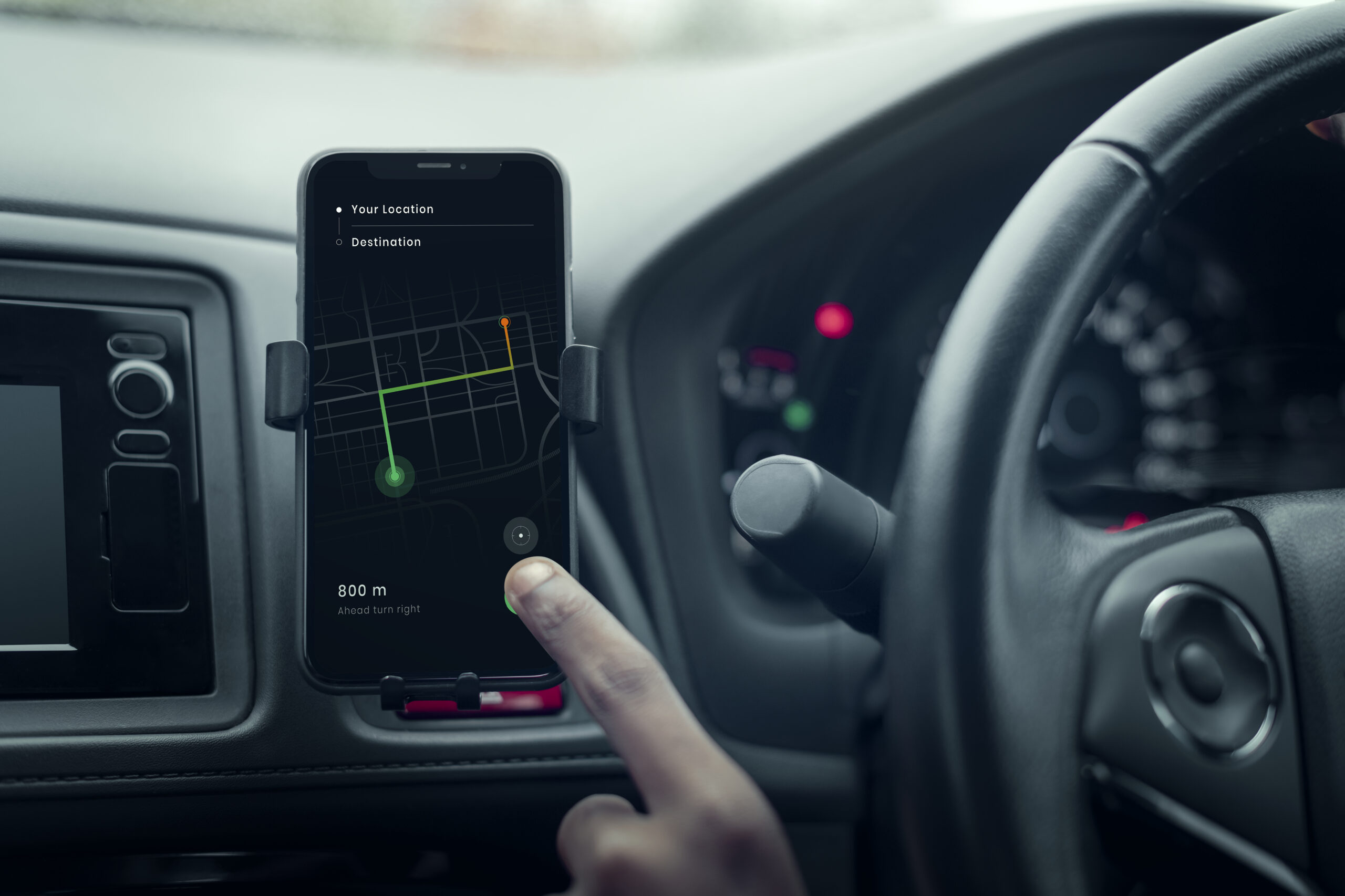
Does Fleet Tracking Offer Real-time Vehicle Location?
Real-time vehicle tracking is one of the core features of any good fleet management system. It allows managers to see the exact location of each vehicle on a live map, providing immediate insight into fleet activity.
This helps improve operational efficiency by enabling rapid decision-making, such as rerouting vehicles to avoid traffic or assigning the closest driver to a new job. Real-time tracking also supports customer service by providing accurate arrival times and quick updates if delays occur.
In addition, it improves security by allowing stolen vehicles to be located quickly.
The ability to monitor vehicles live is essential for businesses that operate time-sensitive services, such as delivery companies, emergency response teams or field service operations.

Can Fleet Tracking Monitor Driver Behaviour?
A quality fleet tracking system should monitor driver behaviour to help improve safety and reduce costs. Telematics devices can record speeding, harsh braking, rapid acceleration and excessive idling.
This data is then displayed in reports or dashboards for managers to review. Identifying risky driving patterns enables targeted driver training, which can lower accident rates and reduce vehicle wear and tear.
Many systems also send real-time alerts if unsafe driving occurs, allowing immediate corrective action.
By encouraging smoother, safer driving, businesses can cut fuel consumption, lower insurance premiums and protect their brand reputation.
Over time, driver behaviour monitoring helps build a culture of safety and accountability across the fleet.

Does Fleet tracking Include Route Optimisation Tools?
Route optimisation uses GPS data and mapping technology to calculate the most efficient paths for vehicles to take. This reduces mileage, saves fuel and ensures drivers reach their destinations faster.
Good fleet tracking systems can consider factors such as traffic conditions, road closures and customer delivery windows when planning routes.
Some platforms allow managers to assign jobs to the nearest available vehicle automatically, improving productivity and response times. By reducing time spent on the road, route optimisation also minimises vehicle wear and emissions. This feature is particularly valuable for delivery services, tradespeople and logistics companies where efficiency directly impacts profitability.

What is Geofencing in Fleet Tracking?
Geofencing allows managers to create virtual boundaries on a map, triggering alerts when a vehicle enters or leaves a designated area. This can be used to monitor site visits, prevent unauthorised use of vehicles and improve security for high-value assets.
For example, an alert could be sent if a vehicle leaves the depot outside of working hours.
Geofencing can also be used to verify customer visits, track time spent on-site and ensure drivers are following planned routes.
By automating these checks, geofencing reduces the need for manual monitoring and provides a clear audit trail of fleet activity.

Does Fleet Tracking Include Maintenance Scheduling?
Fleet tracking systems with integrated maintenance scheduling help ensure vehicles remain in good working order.
By using mileage data, engine hours and diagnostic alerts, the system can automatically notify managers when a service is due. This prevents costly breakdowns and extends the lifespan of vehicles.
Maintenance records can be stored digitally, making it easier to track repairs, inspections and part replacements.
Regular servicing also helps maintain compliance with safety regulations and keeps vehicles operating efficiently. Preventative maintenance scheduling is a key feature for reducing downtime, controlling costs and keeping fleets reliable.
Can Fleet Tracking be Accessed on a Mobile App?
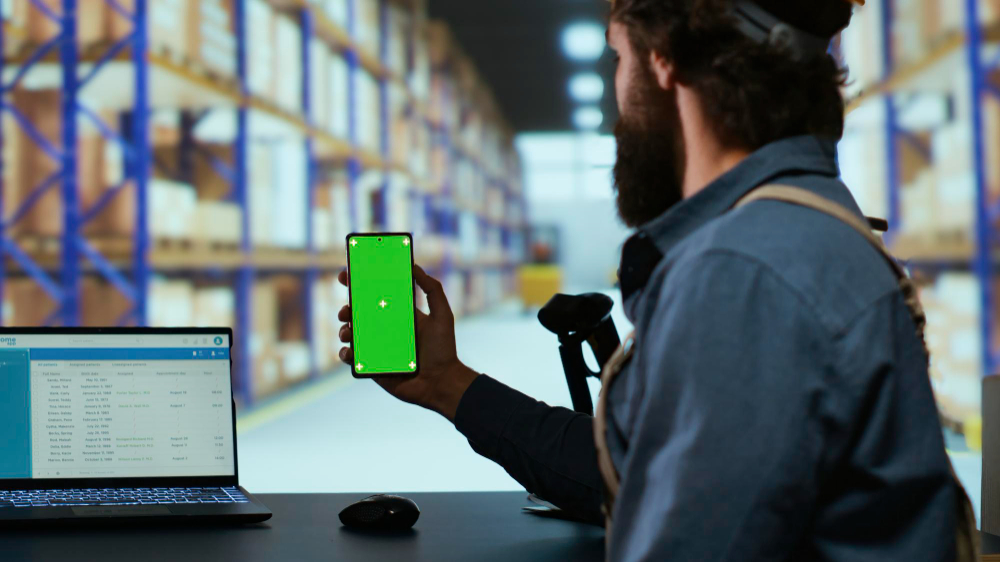
A strong fleet tracking system should offer mobile app access for managers and drivers.
For managers, the app provides live tracking, alerts and reports directly to their smartphone or tablet, allowing them to make informed decisions while away from the office.
For drivers, the app can deliver route information, job updates and communication tools without the need for separate devices.
Mobile access increases flexibility and responsiveness, ensuring that both managers and drivers can stay connected and up to date at all times. Many apps also support offline functionality, storing data until a connection is restored.
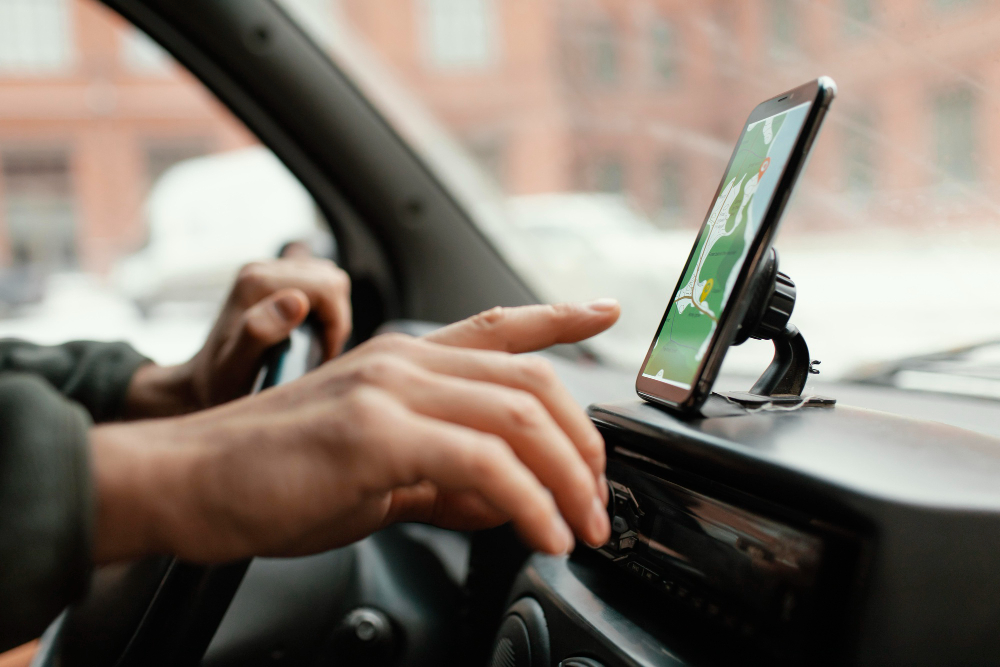
Does Fleet Tracking Include Compliance Tools?
Compliance tools help ensure that fleets meet all relevant legal and regulatory requirements. This can include features for tracking driver hours, storing inspection records, managing tachograph data and producing audit-ready reports.
By automating these processes, compliance tools reduce the risk of human error and make it easier to meet deadlines for reporting.
In industries with strict safety or environmental standards, these tools can be essential for avoiding fines and maintaining operational licences.
Having compliance features built into the tracking system saves time and provides peace of mind for fleet managers.
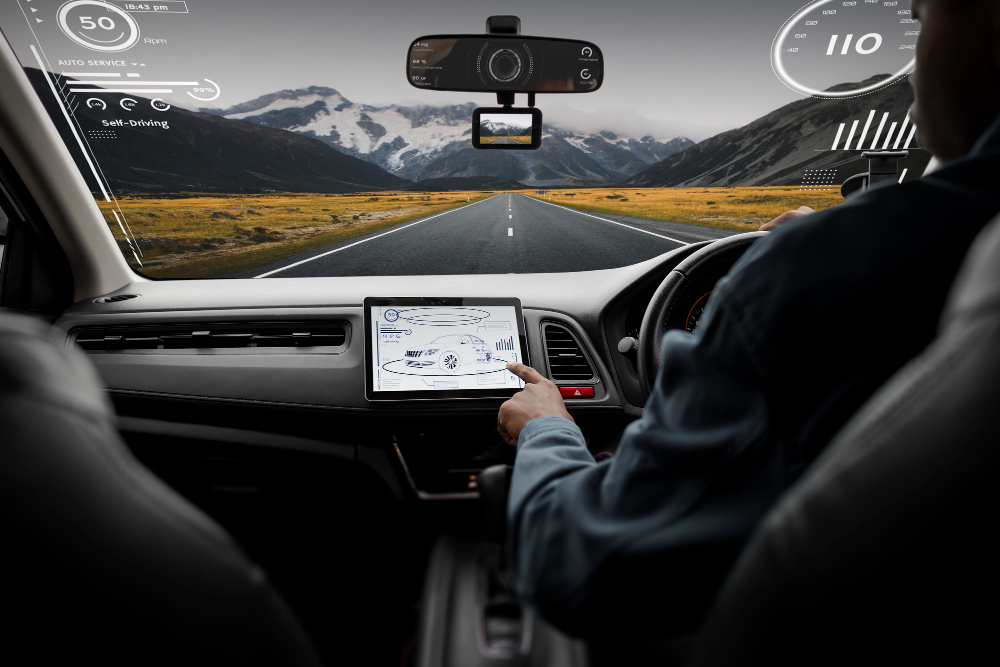
Can Fleet Tracking Integrate With Other Systems?
Integration allows the fleet tracking system to connect with other business platforms, such as accounting software, HR systems, customer relationship management (CRM) tools and fuel card programmes.
This ensures that data flows seamlessly across the business, reducing duplicate work and improving efficiency.
For example, integrating with accounting software can automate mileage expense claims, while CRM integration can update customer records with delivery status in real time.
Integration also allows for more comprehensive reporting by combining operational, financial and customer data in one place.

What Reporting and Analytics Come With Fleet Tracking?
Reporting and analytics turn raw tracking data into actionable insights. A good system should offer customisable reports on metrics such as fuel usage, driver performance, route efficiency and vehicle utilisation. These reports can be scheduled to run automatically and sent to relevant team members.
Data visualisation tools such as charts and heat maps make it easier to spot trends and areas for improvement.
By regularly reviewing analytics, managers can make informed decisions that improve operational efficiency, reduce costs and enhance customer service.
Can Fleet Tracking be Customised to our Business?
Every fleet has different needs, so customisation is an important feature in a tracking system.
This might include the ability to set personalised alerts, choose which metrics are displayed on dashboards or tailor reports to specific business goals.
Customisation ensures that the system works in line with operational priorities rather than forcing managers to adapt to a one-size-fits-all setup.
It also allows businesses to scale the system as they grow, adding features and capabilities without needing to replace the entire platform.
Read our next section: Fleet Tracking for Small Businesses
Manage Consent
Functional Always active
The technical storage or access is strictly necessary for the legitimate purpose of enabling the use of a specific service explicitly requested by the subscriber or user, or for the sole purpose of carrying out the transmission of a communication over an electronic communications network.
Preferences
The technical storage or access is necessary for the legitimate purpose of storing preferences that are not requested by the subscriber or user.
Statistics
The technical storage or access that is used exclusively for statistical purposes. The technical storage or access that is used exclusively for anonymous statistical purposes. Without a subpoena, voluntary compliance on the part of your Internet Service Provider, or additional records from a third party, information stored or retrieved for this purpose alone cannot usually be used to identify you.
Marketing
The technical storage or access is required to create user profiles to send advertising, or to track the user on a website or across several websites for similar marketing purposes.