
Can Fleet Tracking Reduce Fuel Waste?
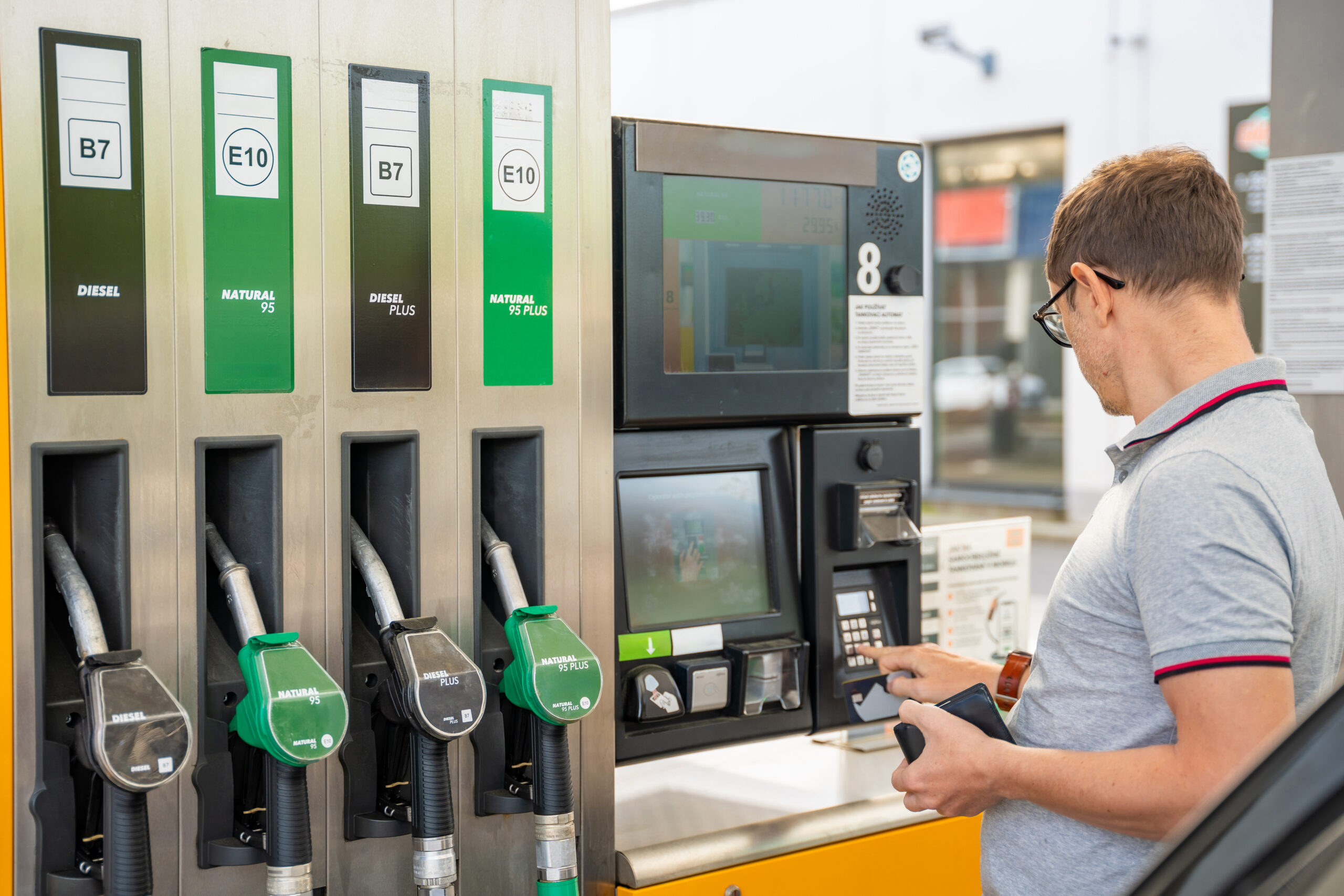
Fuel is often one of the largest expenses for any fleet, and GPS tracking helps reduce waste by optimising routes and monitoring driving behaviour.
Real-time data allows managers to avoid traffic congestion, plan shorter routes and eliminate unnecessary mileage.
Telematics reports can highlight fuel-wasting habits such as excessive idling, rapid acceleration and harsh braking, enabling targeted driver training. By cutting down on these behaviours, fuel consumption is reduced, lowering overall costs.
Over time, even small efficiency gains per vehicle can add up to substantial savings across the fleet.

Can Fleet Tracking Lower Maintenance Costs?
Fleet tracking systems monitor vehicle usage, mileage and engine diagnostics, enabling proactive maintenance before small issues become costly repairs.
Preventative servicing extends the lifespan of vehicles, reduces breakdown frequency and keeps assets on the road longer.
Scheduling maintenance based on actual usage rather than fixed intervals ensures resources are used efficiently.
Early fault detection also minimises repair costs and prevents unexpected downtime that could disrupt operations.
How Does Fleet Tracking Reduce Overtime Payments?
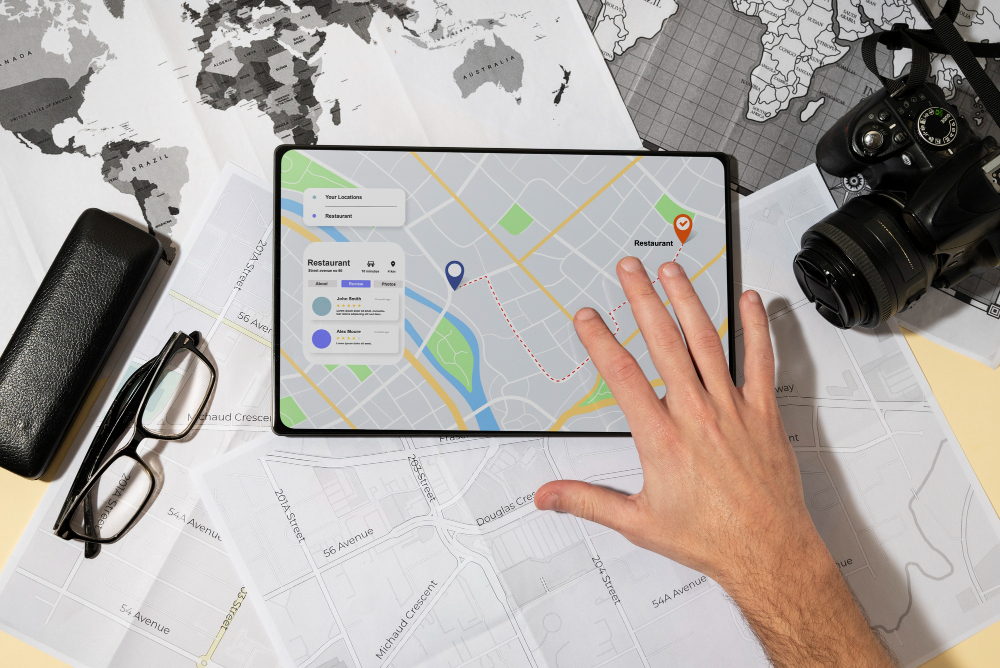
By providing accurate journey times and optimised routes, GPS tracking helps reduce unnecessary overtime.
Managers can monitor driver schedules in real time, ensuring work is completed within contracted hours and avoiding costly overruns.
If delays occur, routes can be adjusted or jobs reassigned to other drivers, keeping the workload balanced.
Accurate reporting also ensures that legitimate overtime is recorded correctly, preventing disputes and maintaining good employee relations.

Can Fleet Tracking Help Avoid Fines and Penalties?
Compliance failures, such as exceeding driver hours, missing mandatory inspections or operating without proper licences, can result in heavy fines.
Fleet tracking systems with compliance tools automate record-keeping and issue reminders for key deadlines, reducing the risk of violations.
Accurate, time-stamped records also make it easier to demonstrate compliance during audits, protecting the business from legal and financial consequences.

How Does Fleet Tracking Extend a Vehicle’s Lifespan
Smoother driving and timely maintenance both contribute to longer vehicle lifespans.
GPS tracking identifies harmful driving habits and provides data for coaching drivers to operate vehicles more gently.
Route optimisation reduces wear and tear by minimising unnecessary mileage.
Together, these factors mean vehicles can remain in service for more years before needing replacement, lowering capital expenditure over time.
Does Fleet Tracking Minimise Accidents?
Unsafe driving leads to accidents, which not only cause damage and injury but also result in repair costs, higher insurance premiums and lost productivity.
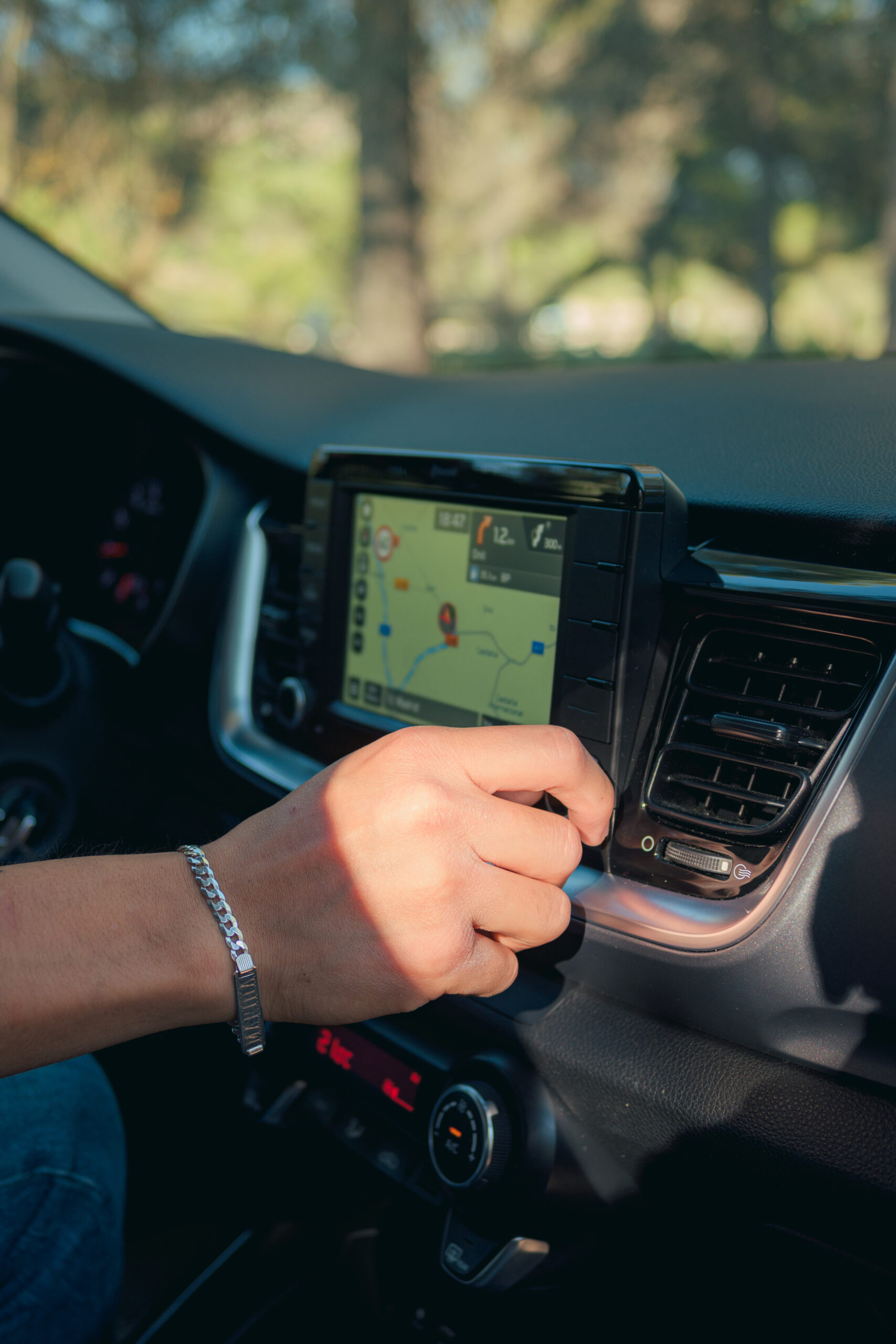
GPS tracking detects risky driving behaviours such as speeding and harsh braking, allowing managers to take corrective action before incidents occur.
By encouraging safer driving habits, accident rates can be significantly reduced, lowering both direct and indirect costs.

Can Fleet Tracking Reduce Theft Losses?
Vehicle and equipment theft can cause major financial losses.
GPS tracking provides real-time location data that can assist in the rapid recovery of stolen assets, reducing replacement costs.
Features such as geofencing alerts notify managers if a vehicle is moved without authorisation, allowing quick response before significant damage occurs. This added layer of security helps protect valuable assets and reduce insurance claims.
How Does Fleet Tracking Improve Load Management?
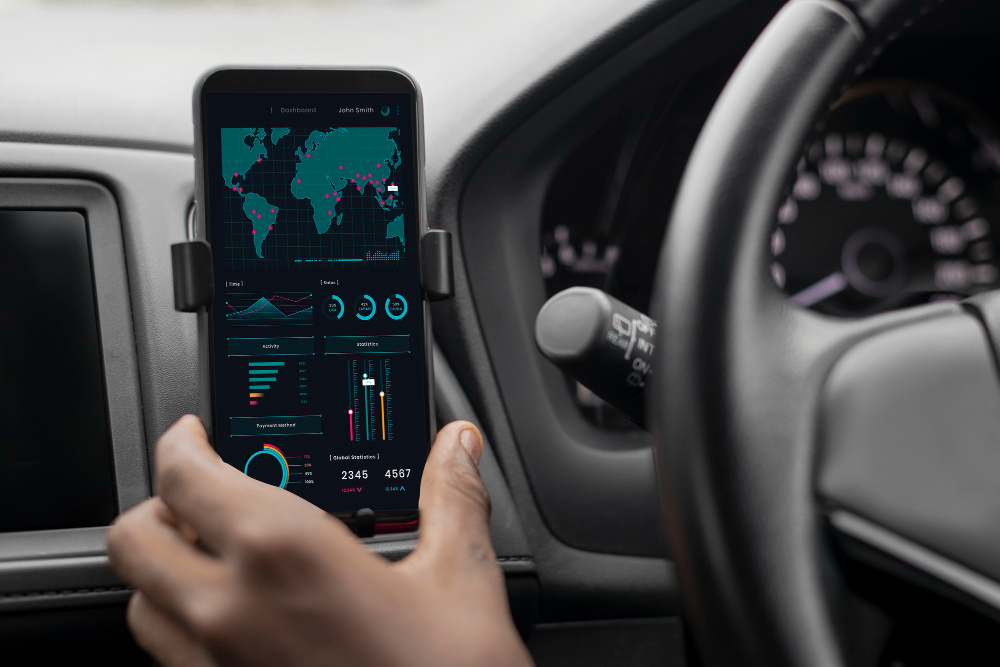
Tracking systems can monitor load weights and optimise vehicle assignments to prevent underutilisation or overloading.
Efficient load management means fewer trips are needed, reducing fuel use and wear on vehicles. It also prevents the excessive strain that can cause premature mechanical issues.
By making the most of each journey, businesses lower costs and increase overall productivity.

Can Fleet Tracking Lead to Insurance Savings?
Insurers often offer discounts to fleets that use GPS tracking, as the technology reduces accident risks and assists in theft recovery.
Detailed driving data also provides evidence in the event of a claim, potentially lowering settlement costs.
Over time, lower premiums combined with reduced claim frequency can lead to substantial savings.

How Does Fleet Tracking Affect Data-Driven Decision Making?
Fleet tracking systems generate detailed performance data that can be used to identify inefficiencies and guide cost-cutting measures.
Managers can analyse trends in fuel use, maintenance needs and driver behaviour to make informed operational decisions.
This data-driven approach ensures that cost-saving strategies are based on real evidence rather than assumptions, leading to more sustainable financial improvements.
Read our next section: Fleet Management Software Explained
Manage Consent
Functional Always active
The technical storage or access is strictly necessary for the legitimate purpose of enabling the use of a specific service explicitly requested by the subscriber or user, or for the sole purpose of carrying out the transmission of a communication over an electronic communications network.
Preferences
The technical storage or access is necessary for the legitimate purpose of storing preferences that are not requested by the subscriber or user.
Statistics
The technical storage or access that is used exclusively for statistical purposes. The technical storage or access that is used exclusively for anonymous statistical purposes. Without a subpoena, voluntary compliance on the part of your Internet Service Provider, or additional records from a third party, information stored or retrieved for this purpose alone cannot usually be used to identify you.
Marketing
The technical storage or access is required to create user profiles to send advertising, or to track the user on a website or across several websites for similar marketing purposes.