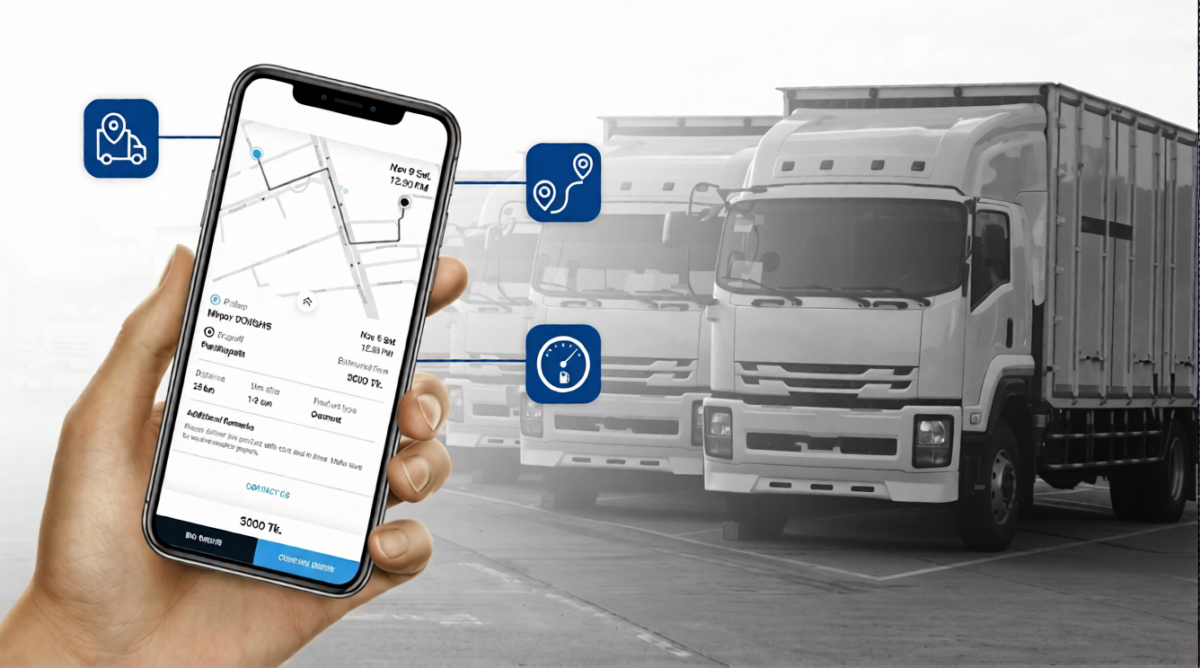
Van Fleet Management for Electrical Contractors: Improving Efficiency, Safety and Productivity

Van fleet management is the combination of GPS tracking, driver monitoring and job scheduling tools that lets an electrical contracting business see where every van is, cut wasted fuel and mileage, and get engineers to the right job faster and more safely. Done properly, it can help reduce fuel use, improve vehicle recovery and cut down the amount of admin involved in managing a fleet. For a trade where the van doubles as a mobile workshop, that’s not a minor efficiency gain; it’s the difference between a callout being profitable or barely worth doing.
Electricians don’t just drive between sites; they carry the tools of their trade with them like test meters, cable, consumer units, drills worth hundreds of pounds apiece. A well-run fleet keeps that kit moving safely and keeps engineers where they’re paid to be: on the tools, not on hold to an insurer explaining what’s gone missing.
Why Do Electrical Contractors Need a Different Approach to Fleet Management?
Electrical contracting doesn’t fit neatly into the same fleet model as haulage or parcel delivery, and treating it that way tends to waste money. Haulage is about long, predictable routes and tachograph compliance. Fleet management for electrical contractors is messier by nature: multiple short jobs a day, last-minute reactive callouts, vans parked on residential streets overnight, and engineers who need reallocating the moment an emergency job lands.
A handful of pressures shape the sector specifically:
- Multi-drop, reactive scheduling. An electrician might have three planned jobs, and then a fault callout squeezed in between, all needing accurate ETAs for customers.
- High-value, portable kit. Unlike a van carrying parcels, an electrician’s van is a rolling toolbox, and thieves know it.
- Compliance and safety obligations. Contractors working under NICEIC or NAPIT accreditation, or on commercial and public sector contracts, are increasingly expected to demonstrate evidence of safe driving and duty of care.
- Thin margins on callouts. A wasted hour idling in traffic or backtracking for a missed turn eats directly into the profit on a job that was already tightly quoted.
None of this gets solved by a diary and a WhatsApp group, not for long anyway. It gets solved by proper fleet management for electrical contractors that gives the office a live, accurate picture of every van on the road.
How Much Does Poor Van Fleet Management Actually Cost?
Van and tool theft remain a significant concern for electrical contractors, particularly because a stolen vehicle can mean losing both the van and the equipment inside it. The financial impact can extend beyond replacing tools, with lost working time and cancelled or delayed jobs adding to the cost.
That said, the average value of tools lost in one incident is £1,300, and around 25% of these crimes are not recorded, which means that the true economic damage from this crime is even more severe than official statistics tell.
What Does Good Van Fleet Management for Electrical Contractors Actually Include?
GPS Tracking and Live Visibility
A typical installation involves a small device wired into the vehicle, often via the OBD port, which gives it access to engine data as well as location. This is the classic GPS tracker for van setups that most fleets use. Fleetview also offers a battery-powered device for businesses that would rather avoid hardwiring anything into the vehicle, giving you a choice between the two depending on how the vehicle’s used.
Either way, tracking runs through the device itself, not through a driver’s phone. The Fleetview app is there so you can view your portal on the go, but it isn’t how the vehicle is actually tracked, so there’s no dependency on a driver’s phone being switched on or an app running in the background.
Driver Behaviour and Safety Monitoring
Everything, from harsh braking to speeding and sudden acceleration, gets recorded automatically, complete with the final score.
Compliance and Duty of Care
Automated mileage and journey logs give a business something concrete to show if a client, insurer, or accreditation body asks how driver safety is managed. It also supports basic employment law obligations around working time, without anyone needing to chase a paper timesheet.
Vehicle Security and Tool Protection
Live location data means a stolen van, or one that’s simply gone missing at the end of a long day, can be found quickly, and geofencing alerts flag if a vehicle moves outside expected hours or areas. Combining tracking with vehicle camera systems and fuel card integration through one portal also cuts down the number of separate logins a busy office has to juggle.
Is GPS Tracking for Company Vans Legal in the UK?
Yes, tracking company-owned vehicles used for business purposes is lawful under UK data protection law, but it has to be done transparently. The Information Commissioner’s Office (ICO) published detailed guidance on monitoring workers in 2023, which specifically covers tracking of work vehicles.
In practice, this means employers need a legitimate business reason for tracking, such as safety or theft prevention, and must tell employees clearly before tracking begins what data is collected, why, and how long it’s kept. Covert tracking, or monitoring that goes beyond what’s proportionate for the stated purpose, is one of the most common reasons UK businesses end up under ICO scrutiny. The rule of thumb that works well in practice: explain the “why” upfront, keep the monitoring proportionate, and put it in writing.
Worth noting too, the Equipment Theft (Prevention) Act 2023 gives government powers to require immobilisers and forensic marking on certain equipment types, a sign that tool and equipment theft has become enough of a national problem to warrant its own legislation, not just an insurance headache for individual contractors.
How Do You Choose the Right Fleet Vehicle Management Services?
Not every provider offering fleet vehicle management services is built the same way, and switching systems understandably feels like a hassle to a business owner who’s busy running jobs rather than comparing telematics dashboards. A few things worth checking before signing anything:
- UK-based support. A real person to call when something goes wrong beats an offshore ticketing system every time.
- A portal that’s actually usable from a phone. The best systems are simple enough to pick up quickly, though it’s worth checking whether the provider offers proper onboarding or a walkthrough if your team wants a fuller introduction first.
- Integration with cameras and fuel cards. One login covering location, driving events, and fuel spend saves hours of admin compared to juggling three separate systems.
- Clear contract terms. Understand how the hardware is provided, whether it’s rented or supplied as part of the package, along with contract length and what happens at renewal, before committing.
- A managed switchover. If moving from an existing provider, a good one handles the transition, including installation and staff training, without vans being pulled off the road unnecessarily. You can see how this works in practice on Fleetview’s switching page.
How Do You Roll Out Van Fleet Management Without Disrupting the Business?
Introducing tracking, or switching from a provider that isn’t working, goes far more smoothly with a plan behind it rather than a Monday-morning surprise for the team.
- Decide what you actually need to measure. Start by deciding what you actually want the system to improve: fuel efficiency, theft protection, compliance reporting or customer ETAs. Those priorities should determine which features are worth paying for.
- Check existing contracts and hardware. If switching providers, confirm contract end dates and whether old hardware can be reused (usually it can’t; most new systems require their own units).
- Talk to your engineers before installation. Explaining the “why”, cost control, safety, and protecting them from false liability claims heads off resistance before it starts.
- Fit hardware around existing service visits. A well-organised provider avoids taking vans off the road specifically for installation.
- Set alerts around your actual priorities, not default settings nobody’s reviewed.
For a deeper technical breakdown of hardware types and installation, Fleetview’s ultimate guide to fleet tracking covers this in more depth than a single blog post can.
Frequently Asked Questions
1. Is GPS tracking legal for company vans in the UK?
Yes. Tracking company-owned vehicles used for business purposes is lawful under UK data protection law, provided employers are transparent with staff about what’s being monitored and why. The ICO’s monitoring workers guidance covers this in detail.
2. Do I have to tell my electricians their van is being tracked?
Yes, in practice this is expected, not optional. Covert tracking of employees carries legal risk and tends to damage trust for little benefit. Most contractors find that explaining the reasons upfront- safety, theft protection, and efficiency- avoids pushback almost entirely.
3. How much does van fleet management cost for a small electrical contractor?
Pricing depends on fleet size and the level of reporting or camera integration needed, so most providers offer a tailored quote after a short consultation rather than a fixed price list.
4. Can van fleet management actually help with tool theft?
It won’t stop a determined thief on its own, but live location tracking significantly improves recovery chances and gives police something concrete to act on. Combined with basic physical security, like removing high-value tools overnight where possible, it meaningfully reduces the impact of a break-in.
Ready to see what better visibility could do for your electrical fleet? Request Your Free Fleet Tracking Consultation →