Van Fleet Tracking: How GPS Tracking Can Improve Fleet Efficiency and Security

Van fleet tracking uses GPS hardware and software to give fleet managers real-time visibility over every vehicle on the road, turning guesswork about routes, fuel use and vehicle security into hard, usable data. For UK businesses running anything from three vans to three hundred, that visibility tends to pay for itself twice over: once in the fuel and admin it saves, and again in the vans it helps keep out of a thief’s hands. This guide walks through how it actually works, what it delivers in practice, and what to check before you commit to a provider.
What Is Van Tracking, and How Does It Actually Work?
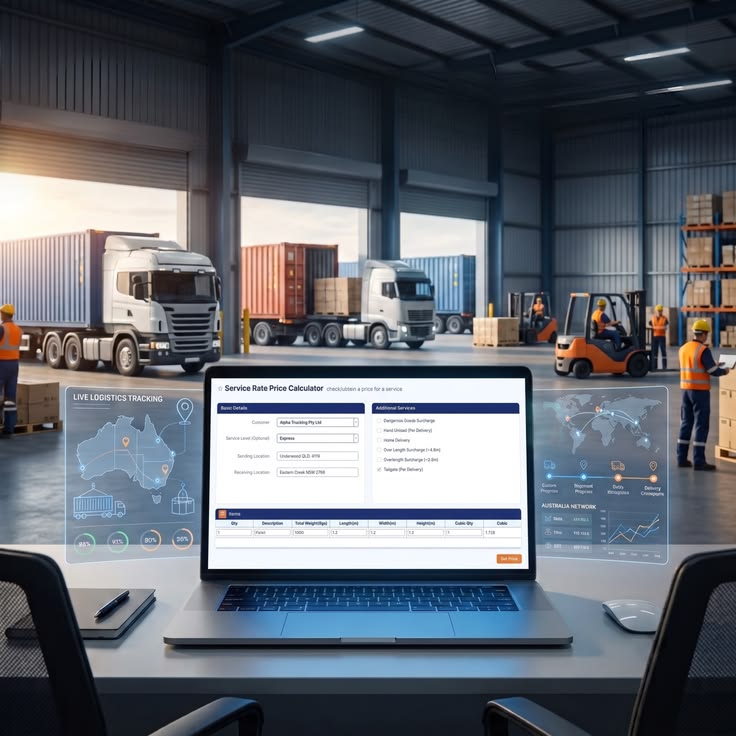
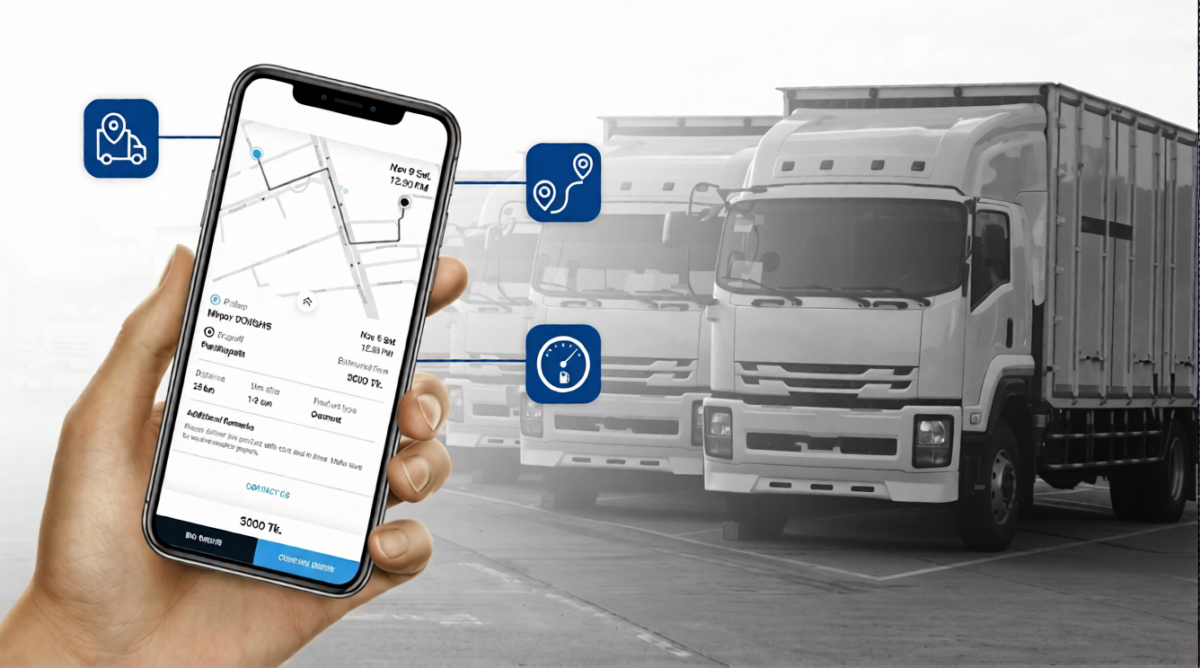
Van fleet tracking refers to a mechanism that tracks a vehicle’s position, speed, and movement, as well as sends all the details to a central place where the fleet manager can log in from a laptop or a phone. Most van tracking systems offer much more than a dot on the map today and are capable of showing such aspects as sharp braking, length of idling, amount of mileage travelled and, as it often happens today, driver behaviour ratings.
The Hardware Behind a Van GPS Tracker
A typical van GPS tracker installation involves a small, discreet device hard-wired into the vehicle. Hard-wired is Fleetview’s preferred method: it’s the most reliable option, and it isn’t dependent on a driver’s phone being switched on or an app running in the background. It’s worth knowing that hard-wired units don’t currently pull engine management data. Where a fleet genuinely needs that level of detail, a separate OBD-connected device can acquire CAN data from the vehicle, though it’s a more specialist option rather than the default setup most businesses need.
Either way, the device talks to a server over the mobile network, and the fleet manager views everything through a portal. That’s the bit that actually matters day to day: the hardware is invisible once it’s fitted, but the platform is what you’ll be opening every morning.
Why UK Fleets Are Turning to GPS Tracking for Vans
Vans are the backbone of a huge chunk of the UK economy, trades, delivery firms, utilities, service engineers, and every one of those businesses is under the same pressure: fuel costs that don’t sit still, insurance premiums that keep climbing, and customers who expect an accurate arrival time rather than a vague “sometime this afternoon.” Getting a handle on all of that is really what good van fleet management comes down to.
Commercial vehicle tracking answers a genuinely practical question for most of these businesses: where is everything, right now, and is it being used efficiently? That single answer feeds into faster job allocation, fuel management, customer service and vehicle security all at once, which is why van fleet tracking has moved from a nice-to-have to something close to standard practice across UK fleets.
Also read our step-by-step guide to compliance-focused tracking in the Haulage Fleet Tracking blog post.
How Van Tracking Improves Fleet Efficiency
Smarter Job Allocation and Dispatch
Dispatchers can see exactly where every van is at any given moment and send the nearest available driver to a new job rather than the one who happens to answer the phone first. Over a working week, that shaves off a surprising amount of unnecessary mileage. For multi-drop or reactive callout work, this alone often justifies the cost of a van fleet tracking device.
Cutting Fuel Waste
Idling engines, harsh acceleration, and inefficient routes all quietly inflate a fuel bill. A good van tracking system flags exactly where that waste is happening, whether that’s a van left running outside a job for twenty minutes or a route that consistently hits the same congestion. Fleet managers can then act on the pattern instead of guessing at it.
Less Admin, More Accurate Records
Manual mileage logs and paper timesheets are slow and prone to error. Automated reports generated straight from the tracking platform remove most of that admin, holding up far better if a customer disputes a delivery time. For more on optimising route scheduling and reducing management overhead, see Fleetview’s guide on fleet management efficiency.
How Van Tracking Improves Fleet Security
Security is where van tracking earns its keep differently, and the numbers explain why. Recent DVLA data shows that van theft across the UK remains a major challenge, with around 12,000 to 14,000 commercial vehicles stolen annually. White vans continue to account for the majority of these incidents (around 70%), making van fleet tracking a critical safeguard for businesses.
Tool theft remains a significant threat to tradespeople and commercial operators. Driver surveys highlight that over a quarter of van drivers suffer tool theft each year, with the average value of stolen equipment exceeding £2,500. Beyond the direct financial impact, tool theft results in costly downtime and missed work for affected businesses.
Recovery, Geofencing and Deterrence
Using a GPS tracker installed in vans greatly increases the chances of being reunited with a stolen vehicle, while also serving as a burglar deterrent in the first place. Geofencing serves as an additional protective measure, allowing managers to receive alerts when a van travels outside its normal area or doesn’t operate during working hours.
The Insurance Angle
Insurers increasingly look favourably on fleets that can demonstrate proactive risk management. A verified van fleet tracking device, particularly one paired with dashcam footage, can support a stronger negotiating position at renewal and speed up any claim that does arise.
Choosing the Right Van Tracking System
Not every provider builds their van tracking systems the same way, and the differences matter more once you’re actually using the platform day to day. A hard-wired GPS tracker is the standard, preferred approach: it’s fitted professionally, doesn’t rely on a driver’s phone being switched on, and holds up better if a vehicle is stolen since there’s no separate device that can simply be removed. For fleets that need deeper vehicle diagnostics, an OBD-connected device can pull CAN data directly from the vehicle, though this is a more specialist add-on rather than the default most businesses need.
Beyond hardware, it’s worth checking how well a van tracking system integrates with fuel cards and camera systems, and whether the provider offers proper onboarding. A joined-up portal that shows location, fuel spend and driving behaviour together saves considerably more admin time than three separate logins, and a walkthrough session (Fleetview offers these via Teams or in person) means the system actually gets used properly from day one rather than sitting half-understood.
Is GPS Tracking Vans Legal? What UK Employers Need to Know
Yes, tracking company vans is legal in the UK, but it isn’t unconditional. Under UK GDPR and the Data Protection Act 2018, employers need a clear lawful basis for processing location data, most commonly “legitimate interests,” and must be transparent with drivers about what’s being tracked, why, and for how long the data is kept. The Information Commissioner’s Office publishes detailed guidance on monitoring workers, including vehicle tracking specifically, and it’s worth reading before rolling anything out.
In practice, this means telling staff in writing before installation, avoiding tracking during clearly personal use of a vehicle where that’s permitted, and only keeping data for as long as it serves a genuine business purpose. None of this is difficult to get right, but skipping it is one of the more common (and avoidable) mistakes fleets make.
If you’re weighing this up against a longer-term switch, it’s also worth having a conversation about how the transition itself is managed. Find out how a fully managed transition works on the Switch to Us page
FAQs
1. Is van tracking legal for company vehicles in the UK?
Yes. It’s legal provided employers are transparent with drivers, have a lawful basis for processing the data under UK GDPR, and don’t retain it longer than necessary.
2. Do I need to tell my drivers if their van is being tracked?
Yes. ICO guidance is clear that employees must be informed in writing before tracking begins, including why it’s being used and what data is collected.
3. How much does a van tracking system cost?
Pricing depends on fleet size, hardware type, and reporting depth. Most providers offer a tailored quote after a short consultation rather than a fixed price list.
4. Will van tracking reduce my insurance premium?
Many UK insurers offer reduced premiums for fleets with verified tracking and camera systems, since it lowers both theft risk and the cost of resolving disputed claims. It’s worth confirming the exact discount with your insurer directly.
5. Can van tracking work alongside a fuel card?
Yes. Linking tracking data to a fuel card gives a single view of fuel spend against location and driving behaviour, which is far quicker than reconciling receipts manually.
6. Does Fleetview offer a phone-based or Bluetooth tracker?
No. Fleetview’s van tracking is hard-wired into the vehicle, and that is more reliable than tracking that depends on a driver’s phone being switched on. A separate OBD-connected device is available for fleets that specifically need extra vehicle diagnostics data, though it’s not the standard setup we’d recommend for most businesses.
Ready to See What Van Tracking Could Do for Your Fleet?
If fuel spend, van security, or admin time is something your business is currently managing without much visibility, a proper van tracking setup is usually a quicker fix than it sounds. Request a free demo of Fleetview’s van tracking platform today and see exactly how much time and cost it could save your fleet.
Related News