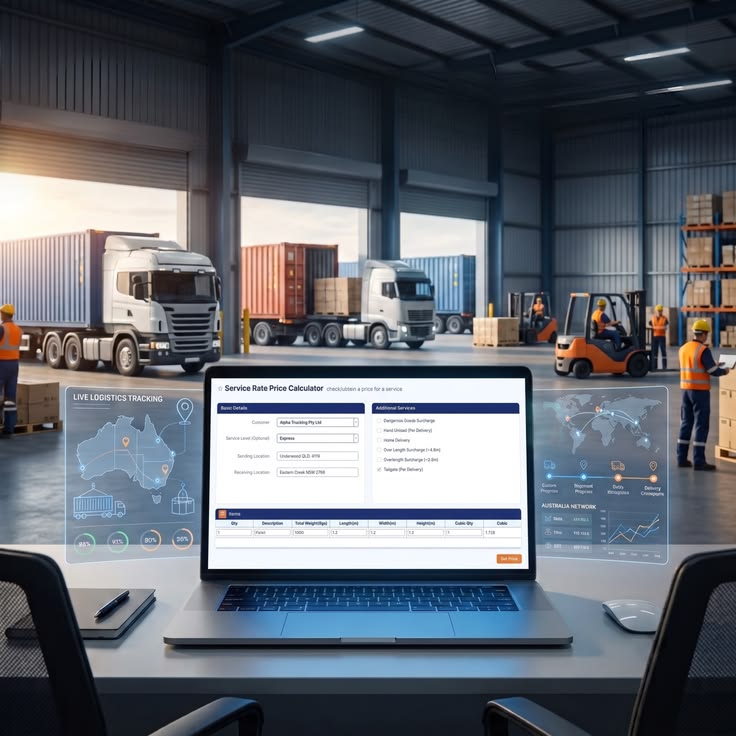
Van Fleet Safety Checks: How Digital Vehicle Checks Reduce Downtime for Trade Businesses
Digital vehicle checks exist to fix that gap between “a check was done” and “a check was done properly.” This article looks at what paper checks actually cost a fleet, how digital checks work in practice, and what to weigh up when comparing systems.
Regular vehicle safety checks are essential for trade businesses to maintain fleet reliability, protect driver safety, and ensure compliance with regulatory standards. Switching from traditional paper inspections to a digital vehicle inspection system eradicates the need for administrative inefficiencies while giving verifiable audit trails to fleet managers.
The traditional paper inspection has little to no validation, leading to unrecorded vehicle faults, downtime, and regulatory issues. The implementation of digital vehicle checks provides a structured procedure whereby the responsibility of the driver for the vehicle and the vehicle’s condition can be traced in real time.
What Counts as a Van Fleet Safety Check
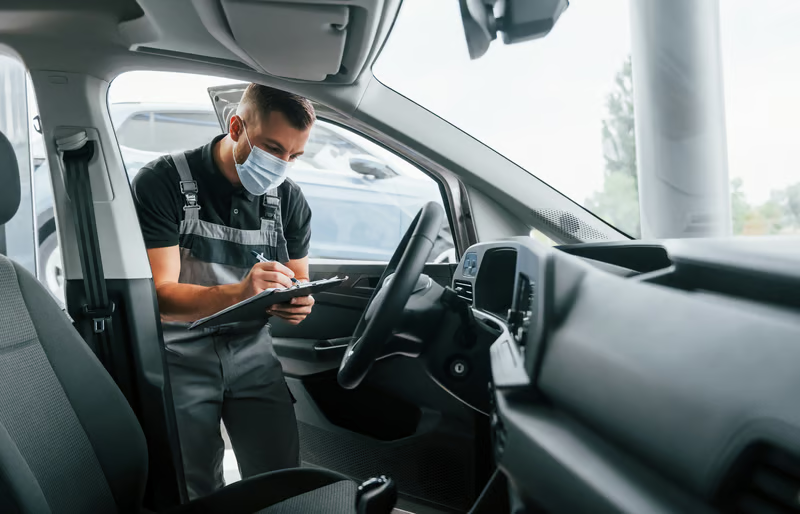
The daily walkaround check is the simplest inspection a driver carries out before setting off. This includes checking tyres, lights, mirrors, fluids and bodywork, essentially anything that might prevent the vehicle from being roadworthy.
For businesses operating under an Operator’s Licence, any fault found during the inspection must be reported and recorded, not just noted and forgotten. Government guidance on daily van walkaround checks sets out exactly what should be inspected and confirms that responsibility sits with the driver and the business, not whoever last serviced the vehicle.
Trade and haulage fleets face particular scrutiny here. A single van doing occasional local trips is one thing. A fleet of fifteen panel vans covering multiple sites every day is another, and DVSA treats them accordingly.
The Hidden Risks of Paper Checks
Paper-based inspection processes create real vulnerabilities across fleet operations:
- Document loss and degradation. Physical inspection forms are easily damaged, misplaced or left illegible, which makes them unreliable for regulatory auditing.
- Weak compliance proof. A signed paper checklist doesn’t confirm a thorough inspection actually happened. In the event of a DVSA prohibition notice, a signature sheet offers limited protection.
- Delayed defect reporting. Defects noted on paper are often only reported at the end of a shift, meaning a faulty vehicle can stay on the road all day before anyone acts on it.
- Higher admin costs. Manually collecting, checking, and storing paper forms takes time that could be spent elsewhere.
These operational gaps are exactly what a properly used digital vehicle check system is designed to close.
How Digital Vehicle Checks Work
Fleetview’s Vehicle Check App is built as an add-on to our vehicle tracking software, designed to fully streamline vehicle inspections for fleets of any size. It gives drivers and fleet managers a straightforward way to handle daily checks without the paperwork.
Here’s what the app covers:
- No more paper trails. Checksheets completed through the app completely remove the need for manual paper forms.
- Fleet department alerts. The fleet department is automatically alerted as soon as a check sheet is completed, rather than waiting for paperwork to be handed in at the end of a shift.
- Fit to drive declarations. Drivers can submit a fit to drive declaration before starting their vehicle.
- Collision, damage and defect reporting. Drivers can report collisions, damage or defects with photographic evidence attached directly to the report.
- Available on iOS and Android, so drivers can use it from their own device.
Because the app sits alongside Fleetview’s wider tracking software, checksheets, fuel purchases and defect reports don’t live in a separate, disconnected system. It’s part of the same platform used for fleet management and compliance, helping businesses stay on top of MOTs, services, licence checks and vehicle safety inspections without relying on manual reminders.
Best Van Tracker UK: Should Checks and Tracking Sit in One System
Integrating daily vehicle inspection software with core GPS fleet tracking systems provides centralised visibility over fleet operations. Correlating driver behaviour metrics with defect reports improves predictive maintenance and risk assessment.
Unified telematics platforms consolidate location tracking, driver safety scoring, and digital walkaround inspections into a single management portal. This centralised approach simplifies reporting and eliminates data silos across software tools.
Key evaluation factors when selecting a provider include offline synchronisation capability, real-time defect notification speed, checklist customisation options, and native integration with existing vehicle tracking software.
How to Switch Providers Without Disrupting Fleet Operations
Fleetview Solutions has been operating since 2006, with over 40 years of combined industry experience across the team. We’re an independent, UK-wide provider, which means fleet managers get a system built around their actual business needs rather than a rigid, one-size-fits-all package.
Support doesn’t stop at installation. Fleetview provides the highest levels of support and account management to customers to ensure they have the resources needed to navigate the platform effectively.
If you’re switching from an existing provider, our team manages the transition helping ensure a smooth system rollout and setup across your fleet.
Building a Proactive Safety Culture
Introducing digital checks works best when drivers understand why they matter. Framing the switch around driver protection, rather than surveillance, tends to get better buy-in than simply mandating a new process.
A few things that help this land well with drivers:
- Clear communication upfront. Explain why the change is happening before it happens, rather than letting drivers discover it on the day.
- Self-guided onboarding. Ensure drivers and managers have access to documentation and guides to help them get acquainted with the platform at their own pace.
- Fast follow-up on flagged issues. When a defect is reported through the app, it reaches the fleet department straight away, so drivers see that reporting a problem actually leads to action.
FAQs
1. Are digital vehicle checks a legal requirement in the UK?
Vehicle checks are legally required, but a digital one is not necessary. Carrying out daily walkaround checks is required for commercial vehicles. Digital checks simply make it much easier to record and prove inspections during DVSA stops or audits.
2. Do digital vehicle checks work offline?
This varies by provider, so it’s worth checking directly. For fleets working across job sites or rural routes with patchy signal, offline capability is a reasonable question to ask before choosing a system.
3. How disruptive is switching to a new digital vehicle check app?
Not disruptive at all. By scheduling rollout during routine maintenance and providing simple driver onboarding, most fleets switch fully within a few days without downtime.
4. Can digital vehicle checks be customised per vehicle type?
Yes. Fleetview’s system offers a basic outline of proposed solutions for different vehicle types, which can then be changed manually to suit your preferences.
5. Do digital vehicle checks replace formal DVSA safety inspections?
No. Daily checks catch immediate faults for daily roadworthiness, while periodic safety inspections must still be completed by a qualified technician.
6. What should I compare when choosing between providers?
Look for clear defect alerting, straightforward driver onboarding, and easy integration with your GPS fleet tracking system.
Ready to See What Better Fleet Visibility Looks Like?
Digital vehicle checks replace manual paper reporting with verifiable compliance records, real-time defect reporting, and reduced fleet operational costs.
Explore Fleetview’s full range of tracking and vehicle check solutions →
Related News