Digital Vehicle Check App vs Paper Checks: What Fleets Need to Know
Every fleet manager knows that the daily vehicle check is meant to happen before a vehicle leaves the yard. In practice, it doesn’t always work that way. A paper sheet gets rushed, left in the cab, or filled in from memory at the end of a shift rather than at the start of it.
That gap between what’s supposed to happen and what actually happens is exactly where problems creep in. A vehicle check app closes that gap by making the process quick enough that drivers actually do it properly, and visible enough that managers know straight away if something’s wrong.
Let’s look at how digital vehicle checks compare to traditional paper checks, and what UK fleets should think about before making the switch.
Why Daily Vehicle Checks Matter
Daily walkaround checks aren’t just good practice. For any fleet running under an Operator’s Licence, they’re a legal requirement, and a DVSA audit can ask to see evidence that they’ve actually taken place.
A proper vehicle inspection service should catch defects before they become a breakdown, a fine, or worse, an incident on the road. Tyres, lights, mirrors, brakes and load security all need checking, and a driver who skips this step is driving on borrowed time.
The problem isn’t that fleets don’t understand this. It’s that the traditional way of doing it makes it easy to cut corners without anyone noticing until something goes wrong.
The Trouble With Paper Checks
Paper checksheets have been the default for years, mainly because they’re simple and cheap to set up. The trouble is that simplicity comes at a cost once you look closer at how they actually get used.
Sheets get lost, left in glove boxes, or filled in weeks after the fact when nobody can quite remember what was checked. There’s no easy way to prove a check genuinely happened at the time it was supposed to, and no automatic alert if a driver reports a defect that needs urgent attention.
Common issues with paper-based checks include:
- Sheets that go missing or never make it back to the office
- No timestamp or location to confirm when a check actually took place
- Defects reported on paper that sit unseen for days
- Hours of admin spent manually filing and chasing paperwork
- No easy way to produce a full history during a DVSA audit
None of this makes paper checks fraudulent or pointless. It just makes them slow, easy to fake, and hard to rely on when it matters most.
What a Vehicle Check App Actually Does
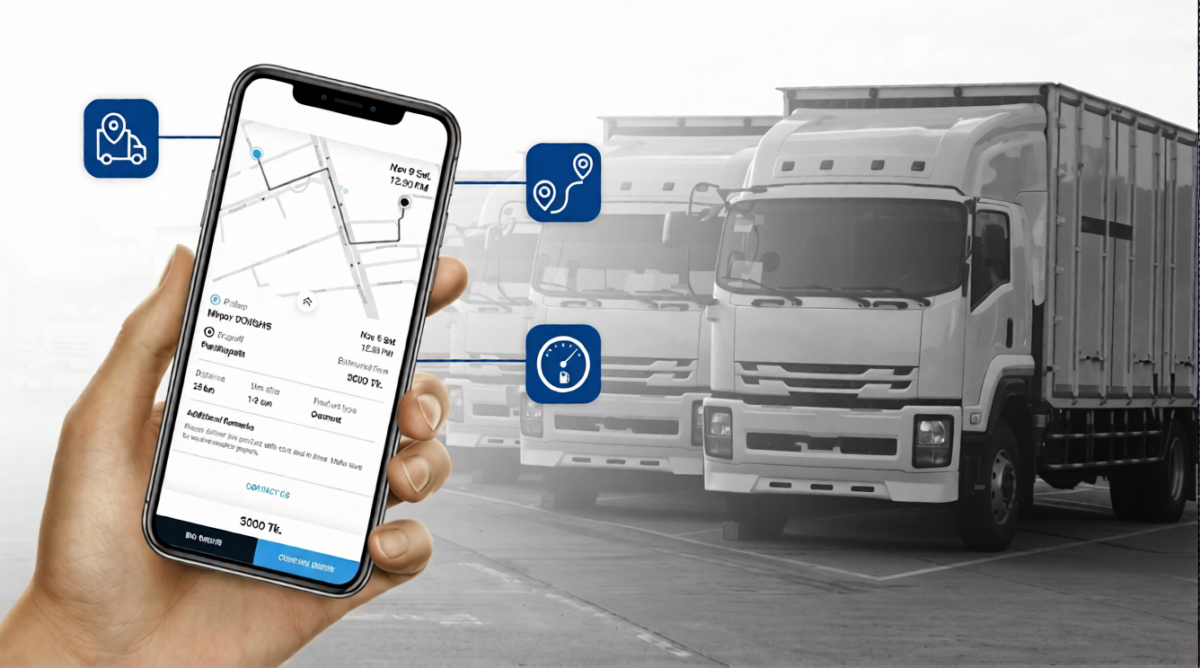
This kind of app moves the entire process onto a driver’s phone or tablet, available on both iOS and Android. Instead of a paper form, drivers work through a digital checksheet covering the same items: tyres, lights, brakes, mirrors, and load security, but with a few genuine advantages built in.
Every check is automatically time-stamped and linked to the vehicle, so there’s a clear, verifiable record of exactly when it happened. If a driver flags a defect, the fleet department is alerted immediately rather than finding out once the vehicle is already back at the depot.
Drivers can also submit fit-to-drive declarations, log fuel purchases, and report collisions or damage with photographic evidence attached directly to the record. That combination of speed and evidence is what makes a good fleet check app genuinely useful, rather than just a digital copy of the same paper form.
Digital vs Paper Checks: A Head-to-Head Look
Put side by side, the difference between the two approaches becomes fairly obvious.
- Speed: paper checks take longer to complete and even longer to file, while a digital check is done in minutes and submitted instantly
- Visibility: paper defects can sit unseen for days, while app-based reports alert managers straight away
- Evidence: paper offers a written note at best, while an app allows photos to be attached to any reported issue
- Audit readiness: paper requires manually pulling together a paper trail, while an app can produce a complete digital history in seconds
- Accountability: paper is easy to backdate or skip, while a digital record is timestamped and harder to falsify
None of this means paper checks are worthless. For a very small fleet with one or two vehicles, they can still work. For anything larger, the practical gap between the two approaches tends to grow quickly.
Compliance and Audit Readiness
When a DVSA audit or an internal compliance review comes around, the difference between digital and paper records becomes very clear, very quickly. A manager using a proper vehicle check app can pull a complete, time-stamped history of every inspection in a matter of minutes.
That includes MOT and service reminders, licence checks and safety inspections, all tracked automatically so nothing gets missed in the day-to-day rush. Rather than scrambling to reconstruct a paper trail from memory, the evidence is already there and ready to go.
This kind of digital vehicle smart check record also makes it far easier to demonstrate a consistent pattern of compliance over time, rather than a handful of sheets that happen to have survived.
Fit to Drive Declarations and Driver Accountability
Vehicle condition is only half the picture. A driver who isn’t fit to drive, whether through fatigue, illness or another reason, is just as much of a risk as a vehicle with a defect.
Digital fit to drive declarations build this check into the same daily routine, rather than treating it as a separate box to tick. Drivers confirm their own fitness to drive alongside the vehicle check, creating a clear record that protects both the driver and the business if a question ever comes up later.
This kind of built-in accountability is difficult to replicate with a paper form, which relies entirely on a driver remembering to fill it in honestly and consistently.
Reporting Damage and Defects Quickly
One of the most practical benefits of a digital system is how quickly damage and defects get reported. Rather than waiting for a vehicle to return to the depot, a driver can log a defect or a collision on the spot, with photos attached as evidence.
That speed matters. A small issue caught early, a worn tyre or a loose mirror, is far cheaper and safer to fix than the same problem left unreported for another week of driving.
It also removes a lot of the ambiguity around damage disputes. Photographic evidence attached to a specific vehicle and date gives everyone a clear reference point, rather than relying on someone’s recollection of how a scrape or a dent happened.
Choosing the Right App for Your Fleet
Not every app on the market offers the same depth of features, and it’s worth being clear on what you actually need before choosing one. A few things worth checking:
- Does it work smoothly on both iOS and Android for your whole driver base
- Are checksheets fully customisable to match your specific vehicle types
- Does it alert the office immediately when a defect or fit-to-drive issue is flagged
- Can it produce audit-ready reports without extra manual work
- Does it integrate with your existing vehicle tracking or fleet management app
If you’re researching the best vehicle apps or comparing the best app for vehicle information generally, it’s worth remembering that a fleet-specific tool will usually outperform a generic option, since it’s built around compliance and reporting needs rather than general vehicle data.
Bringing It Together With Vehicle Tracking
This kind of app delivers the most value when it isn’t run as a standalone tool. Paired with GPS tracking and driver behaviour data, it becomes part of a much bigger picture of how a fleet is actually performing day-to-day.
Fleetview’s Vehicle Check App is designed as an add-on to our wider vehicle tracking software, so checksheets, driver declarations, fuel purchases and defect reports all sit alongside location and journey data in one place. That means fewer separate logins, less duplicated admin, and a much clearer view of the whole fleet.
For anyone comparing a motor vehicle check UK provider against a basic paper process, this joined-up approach is usually where the real-time savings show up.
FAQ
1.Is a digital vehicle check app legally accepted for DVSA compliance?
Yes. A digital record is accepted as evidence of a daily walkaround check if it includes the same information as a paper form, such as date, time, vehicle, and any defects found. Many fleets prefer digital records for DVSA audits over paper ones.
2. Do drivers need training to use the app?
Most apps are designed for easy use, requiring minimal instruction which often is just a quick walkthrough on first use. A well-designed app guides the driver through the checklist step by step, minimizing confusion.
3. What happens if a driver reports a serious defect through the app?
The fleet department is alerted immediately when a defect is submitted, enabling quick action to take the vehicle off the road and reduce risks associated with unresolved issues.
4. Can it be used without an internet connection?
Many apps allow drivers to complete checks offline, with the data syncing automatically once a signal is available again. This is particularly useful for drivers working in rural areas or locations with patchy mobile coverage.
5. Is it worth switching if we already have a paper system that works?
A well-run paper system relies on manual filing and lacks automatic alerts. Transitioning to a digital process typically reduces admin time, enhances audit readiness, and provides managers immediate visibility over reported defects.
Making the Switch
Moving from paper to digital doesn’t need to be complicated. Most fleets can roll out a new app gradually, starting with a small group of vehicles before expanding across the whole operation.
The key is making sure drivers understand why the change is happening and how it makes their own working day easier, not just the office’s. A quick check that takes two minutes on a phone, with instant confirmation it’s been received, tends to get far better buy-in than a paper form nobody enjoys filling in.
Fleetview Solutions has been supporting UK fleets since 2006, and our app is built to work seamlessly alongside our tracking and telematics platform. If your fleet is still relying on paper checksheets, or you’re not confident your current app is giving you the full picture, get in touch for a free, no-obligation consultation.
Ready to Ditch the Paperwork?From fit-to-drive declarations to instant defect alerts, Fleetview will show you exactly how digital checks fit your fleet, fully integrated with tracking, cameras, and fuel cards in one portal. |