GPS Fleet Tracking for UK Businesses: The Complete 2026 Guide

Table of Contents
|
Running a fleet of vehicles in the UK has never been more expensive or more complicated. Fuel prices remain volatile, insurance premiums keep climbing, and regulatory requirements around driver hours and vehicle safety continue to tighten. For operations managers and business owners responsible for vans, HGVs, or mixed fleets, one question keeps coming up: how do you keep control of costs, compliance, and driver safety without adding hours of admin to your week?
The answer, for thousands of UK businesses, is GPS fleet tracking. What started as a simple “dot on a map” technology has evolved into a full telematics ecosystem that gives fleet operators real-time visibility over every vehicle, every driver, and every journey. In this guide, we’ll walk through exactly what fleet tracking is, how it works, what benefits you can realistically expect, and how to choose the right provider for your business.
Ready to Cut Fleet Costs?Get a free, no obligation fleet tracking consultation tailored to your vehicles and business. Request a Free Consultation |
What Is GPS Fleet Tracking?
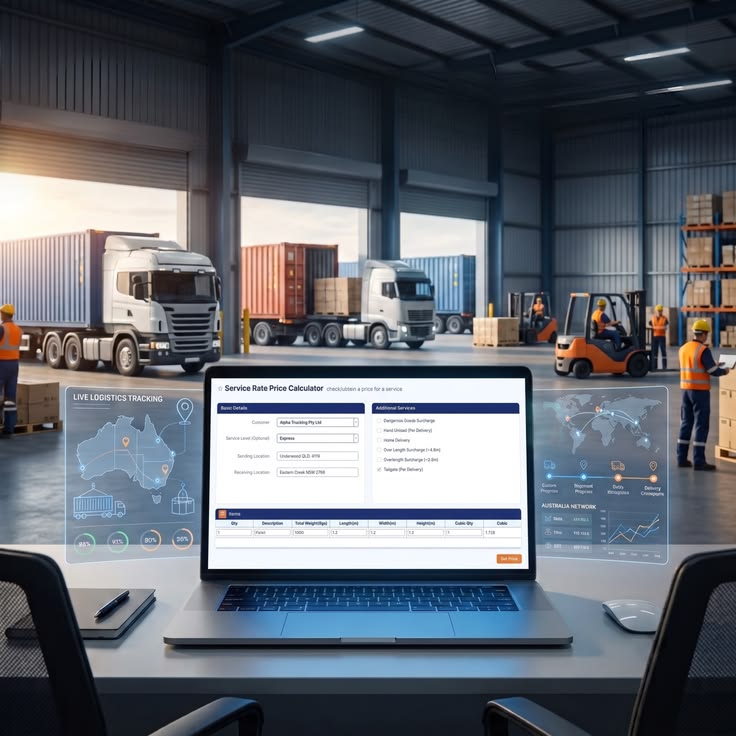
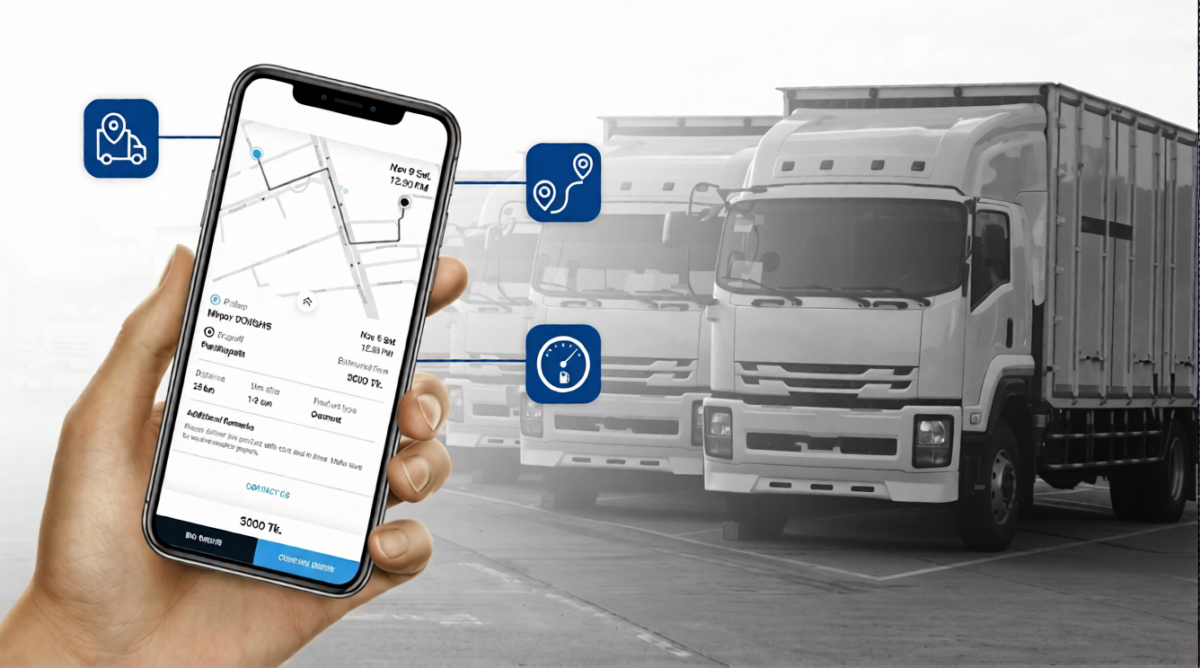
GPS fleet tracking is a system that uses GPS hardware installed in a vehicle, combined with software, to record and transmit a vehicle’s location, speed, direction, and driving behaviour in real time. This data is sent to a central platform usually a web portal or mobile app where fleet managers can view live vehicle positions, historical journey routes, and performance reports.
Modern fleet tracking goes well beyond location alone. It’s typically part of a broader telematics system, which also captures data such as:
- Harsh braking, acceleration and cornering events
- Idling time and fuel consumption
- Vehicle diagnostics and fault codes
- Driver behaviour scoring
- Geofencing alerts (notifications when a vehicle enters or leaves a defined area)
At Fleetview Solutions, this data is brought together in a single portal, giving fleet managers 24/7 access from their phone, tablet or desktop including live dashcam footage, driving alerts, and journey history all in one place.
Why UK Businesses Need Fleet Tracking in 2026
The business case for fleet tracking has never been stronger. Here’s why UK fleet operators are increasingly treating it as essential infrastructure rather than a “nice to have.”
1. Fuel Costs Are Still a Major Overhead
Fuel remains one of the highest operating costs for any fleet. Idling, harsh driving, and inefficient routing all quietly inflate fuel bills. Fleet tracking systems highlight exactly where fuel is being wasted whether that’s a driver leaving an engine running unnecessarily or a consistently inefficient route so managers can take action with real data instead of guesswork.
2. Rising Insurance Premiums
Insurers increasingly look favourably on fleets that can demonstrate proactive risk management. Telematics data showing improved driver behaviour, combined with vehicle camera footage (more on that below), can support lower premiums and stronger negotiating positions at renewal time.
3. Compliance and Duty of Care
UK operators particularly those running HGVs and vans under an Operator’s Licence have legal obligations around driver hours, vehicle roadworthiness, and duty of care. Fleet tracking supports compliance by providing accurate journey records, mileage logs, and driving behaviour reports that can be referenced during DVSA audits or internal reviews.
4. Customer Service and ETAs
Real time visibility means dispatchers can give customers accurate arrival times, respond quickly to delays, and reroute drivers to the nearest job when plans change a genuine competitive advantage for haulage and delivery-based businesses.
5. Vehicle Security and Theft Recovery
Commercial vehicle theft remains a persistent problem in the UK, particularly for vans carrying tools and equipment. GPS tracking dramatically improves the chances of recovering a stolen vehicle and can support insurance claims with verified location data.
How Fleet Tracking Software Actually Works
A typical fleet tracking installation involves three components:
- Hardware: A GPS tracking unit fitted discreetly to the vehicle, often connected to the OBD port for additional vehicle data.
- For businesses that prefer a device free option, a Bluetooth tracking device is also available, pinging location via a driver’s Android or iOS phone rather than a hardwired unit
- Connectivity: The device transmits data via mobile network back to a secure server.
- Software platform: Fleet managers log into a portal or app to view live maps, generate reports, set up alerts and manage their fleet.
With Fleetview Solutions, everything is accessible through a single, purpose built portal including live dashcam access, driving alerts for speeding or harsh driving events, and full journey history with average speeds and mileage, all viewable from a smartphone. You can find out more on the Vehicle Tracking services page.
Key Benefits of GPS Fleet Tracking
Reduced Operating Costs
By identifying excessive idling, harsh driving, and inefficient routes, businesses typically see measurable reductions in fuel spend within the first few months of implementation.
Improved Driver Safety
Driver scoring and real-time alerts encourage smoother, safer driving. Over time, this reduces the frequency of at-fault incidents, near-misses, and vehicle wear and tear.
Better Route Planning and Job Allocation
Dispatchers can see exactly where every vehicle is and allocate the nearest available driver to a new job reducing unnecessary mileage and improving response times.
Stronger Compliance Records
Automated mileage and journey logs make it far easier to respond to compliance checks, insurance queries, or customer disputes with accurate, time-stamped evidence.
Reduced Administration
Instead of manually logging mileage or chasing paper timesheets, fleet managers get automated reports generated directly from the tracking platform freeing up hours of admin time each week.
Lower Insurance Premiums
Many insurers offer discounts for fleets running verified telematics systems, particularly when combined with dashcam footage that can prove liability in the event of a collision.
See These Savings on Your Own FleetEvery fleet is different book a short call and we’ll show you exactly where your business could cut costs. Book an Engineer / Consultation |
Fleet Tracking for Different Types of Fleets
Not every fleet has the same needs, and a good tracking provider will tailor the setup accordingly.
Haulage fleets typically need robust reporting around driver hours, tachograph data, long distance route efficiency, and vehicle diagnostics for HGVs operating under strict compliance requirements. Fleetview’s Haulage Fleet Tracking solution is built specifically around these demands.
Van fleets, on the other hand, are often more focused on multi-drop efficiency, driver safety in urban environments, theft prevention, and proof of delivery. Fleetview’s Van Fleet Tracking service is designed around these day-to-day operational pressures.
If you want a deeper technical breakdown, Fleetview also publishes The Ultimate Guide to Fleet Tracking, which covers hardware types, installation, and platform features in more depth.
What to Look for When Choosing a Fleet Tracking Provider
Not all fleet tracking providers are equal, and switching systems can feel daunting which is exactly why the selection process matters. Here’s a practical checklist:
UK-based support:
Look for a provider with real people you can call, not just an offshore helpdesk.
Portal usability:
A cluttered, complicated dashboard defeats the point. The best systems are simple enough to use from a phone between jobs.
Integration with cameras and fuel cards:
A joined up system in one portal saves huge amounts of admin time compared to juggling three separate logins.Fleetview provides its own fuel cards, which integrate directly with the tracking system, giving fleet managers fuel spend, location and driving data in one place
Contract flexibility:
Understand contract lengths, hardware ownership, and what happens at renewal.
Transition support:
A good provider manages the entire switchover, including installation and staff training, with no disruption to your operations. Existing third party tracking hardware generally can’t be reused, but Fleetview supplies new equipment linked directly to its software as part of the switchover, with the whole process managed on your behalf.
Track record and experience:
Longevity in the industry usually means fewer surprises and better tested software.
Fleetview Solutions has been delivering vehicle tracking and telematics since 2006, with over 40 years of combined team experience, and offers a fully managed switchover process for businesses moving from another provider you can read more on the Switch to Us page.
The Real Cost of Not Having Fleet Tracking
It’s tempting to view fleet tracking purely as a monthly cost line another subscription on top of insurance, fuel, and maintenance. But for fleets running without any tracking or telematics at all, the real exposure usually sits on the other side of the ledger. It’s worth looking honestly at what that exposure actually costs.
Invisible fuel waste Without journey and idling data, excessive idling, harsh driving, and inefficient routing simply go unnoticed. Across a fleet of even a dozen vehicles, that waste adds up to a meaningful chunk of the annual fuel budget money spent with nothing to show for it.
Unverified mileage and disputed expenses
Manual mileage logs are prone to error, whether through simple mistakes or inflated claims. Without automated, time-stamped records, fleet managers have little to check figures against, which can quietly cost the business over a full year.
Slower response to compliance checks
If a DVSA audit, insurance query, or customer dispute requires proof of a vehicle’s location or driving history, a business without tracking has no quick way to produce it often meaning hours of manual reconstruction from memory, paperwork, or nothing at all.
Higher risk of vehicle theft with no recovery path
Commercial vehicles, particularly vans carrying tools and equipment, remain a common theft target. Without GPS tracking, a stolen vehicle is far harder to recover, and insurers may be less willing to negotiate favourably on a claim with no location data to support it.
Weaker position at insurance renewal
Insurers increasingly expect fleets to demonstrate proactive risk management. A business with no telematics data to show has less room to negotiate premiums compared to a competitor that can point to verified driver behaviour scores and journey records.
Set against these ongoing, often unnoticed costs, the monthly cost of a tracking system usually looks less like an added expense and more like a straightforward way to plug a series of small, cumulative leaks in the business.
Common Myths About Fleet Tracking
It’s just for spying on drivers
In practice, most fleets find that transparent, well-communicated tracking improves driver morale rather than harming it particularly when it’s used to recognise safe driving and protect drivers from false liability claims.
It’s too expensive for a small fleet
Tracking systems scale to fleets of all sizes, and the fuel and insurance savings alone often offset the cost within the first year.
Switching providers is too disruptive
A properly managed transition like the process Fleetview offers should involve no downtime, with installation and training handled by the provider.
All tracking software does the same thing
Platforms vary significantly in reporting depth, alert customisation, camera integration, and ease of use. This is why a demonstration or consultation before committing is worthwhile.
How to Roll Out Fleet Tracking: A Step-by-Step Implementation Guide
Introducing fleet tracking or switching from an existing provider goes far more smoothly with a clear plan. Here’s a practical, step by step approach based on how well run rollouts typically work.
Step 1: Define what you actually need to measure
Before choosing hardware, be clear on your priorities fuel efficiency, compliance reporting, theft protection, or customer ETAs. This shapes which features and reporting depth actually matter, rather than paying for capabilities you won’t use.
Step 2: Audit your current data and contracts
If you’re switching providers, check existing hardware ownership, contract end dates, and any early termination terms. A good provider will help manage this transition rather than leaving you to untangle it alone.
Step 3: Communicate with drivers before installation
Be transparent about why tracking is being introduced cost control, safety, and compliance rather than letting drivers hear about it secondhand. Fleets that explain the “why” upfront typically see far less resistance.
Step 4: Plan installation around your operational calendar
A well managed provider fits tracking hardware during routine service visits or scheduled downtime, so vehicles aren’t pulled off the road specifically for installation.
Step 5: Set up alerts and reports around your priorities from Step1
Rather than leaving default settings in place, configure geofencing, speeding alerts, and idling thresholds to match what actually matters to your business.
Step 6: Train the team who’ll use the portal daily
The best tracking system is only as useful as the people using it a short training session for dispatchers and managers ensures the platform gets used to its full potential from day one.
Step 7: Review performance data monthly
Build in a regular review of fuel, idling, and driver behaviour reports rather than only checking the platform reactively. This turns tracking into an ongoing efficiency tool rather than a background system.
Providers experienced in fleet wide rollouts and switchovers such as Fleetview, which manages the entire transition from installation through to staff training can typically guide a business through each of these steps rather than leaving it to be figured out internally.
Real-World Results
Fleet tracking isn’t theoretical UK businesses across haulage, logistics and service industries are already seeing tangible operational improvements. Fleetview’s case study on Dewsbury & Proud is a good example of how a tailored tracking and telematics setup can enhance day to day fleet operations. You can browse further examples on the Case Studies page.
How Much Does Fleet Tracking Cost?
Pricing varies depending on fleet size, hardware requirements, and the level of reporting and camera integration needed. Most providers, including Fleetview, offer tailored quotes based on a short consultation rather than a fixed public price list since a five vehicle van fleet has very different needs to a 50-vehicle haulage operation. The best way to get an accurate figure is to request a consultation and discuss your specific fleet requirements.
Frequently Asked Questions
- Is GPS fleet tracking legal in the UK?
Yes. Fleet tracking is legal for company-owned vehicles used for business purposes, provided employers are transparent with employees about its use, in line with UK data protection and employment law.
- How long does installation take?
Installation timeframes depend on fleet size, but most providers including Fleetview manage the entire process with minimal disruption, often completing installations without vehicles being taken off the road for extended periods.
- Can fleet tracking work alongside dashcams and fuel cards?
Yes. The most effective setups combine GPS tracking, vehicle cameras, and fuel card integration into a single portal, giving fleet managers one place to monitor everything rather than switching between systems. Fleetview offers its own fuel cards as part of this integration, linking fuel spend directly to tracking and driving data.
- Do I need a new contract to switch providers?
Most reputable providers offer support to manage contract transitions and existing hardware, minimising cost and disruption during a switch. Note that existing third-party tracking hardware generally can’t be carried over. Fleetview provides new, software-linked equipment as part of a fully managed switchover.
- Will fleet tracking reduce my insurance premium?
Many UK insurers offer reduced premiums for fleets with verified telematics and camera systems in place, as they demonstrate lower risk. Speak to your insurer directly to confirm available discounts.
Final Thoughts
GPS fleet tracking has moved from a competitive advantage to an operational necessity for UK fleets in 2026. Whether you’re managing a handful of vans or a large haulage operation, the right telematics setup can reduce fuel costs, improve driver safety, simplify compliance, and give you back hours of admin time every week.
If you’re currently without a tracking system or frustrated with your existing provider Fleetview Solutions offers tailored GPS fleet tracking, vehicle cameras, and telematics for UK businesses of every size, backed by a dedicated team and a fully managed switchover process.
Get Your Free Fleet Tracking Consultation TodayWhether you’re new to fleet tracking or switching from another provider, Fleetview will build a solution around your exact fleet with a fully managed, hassle-free transition. |